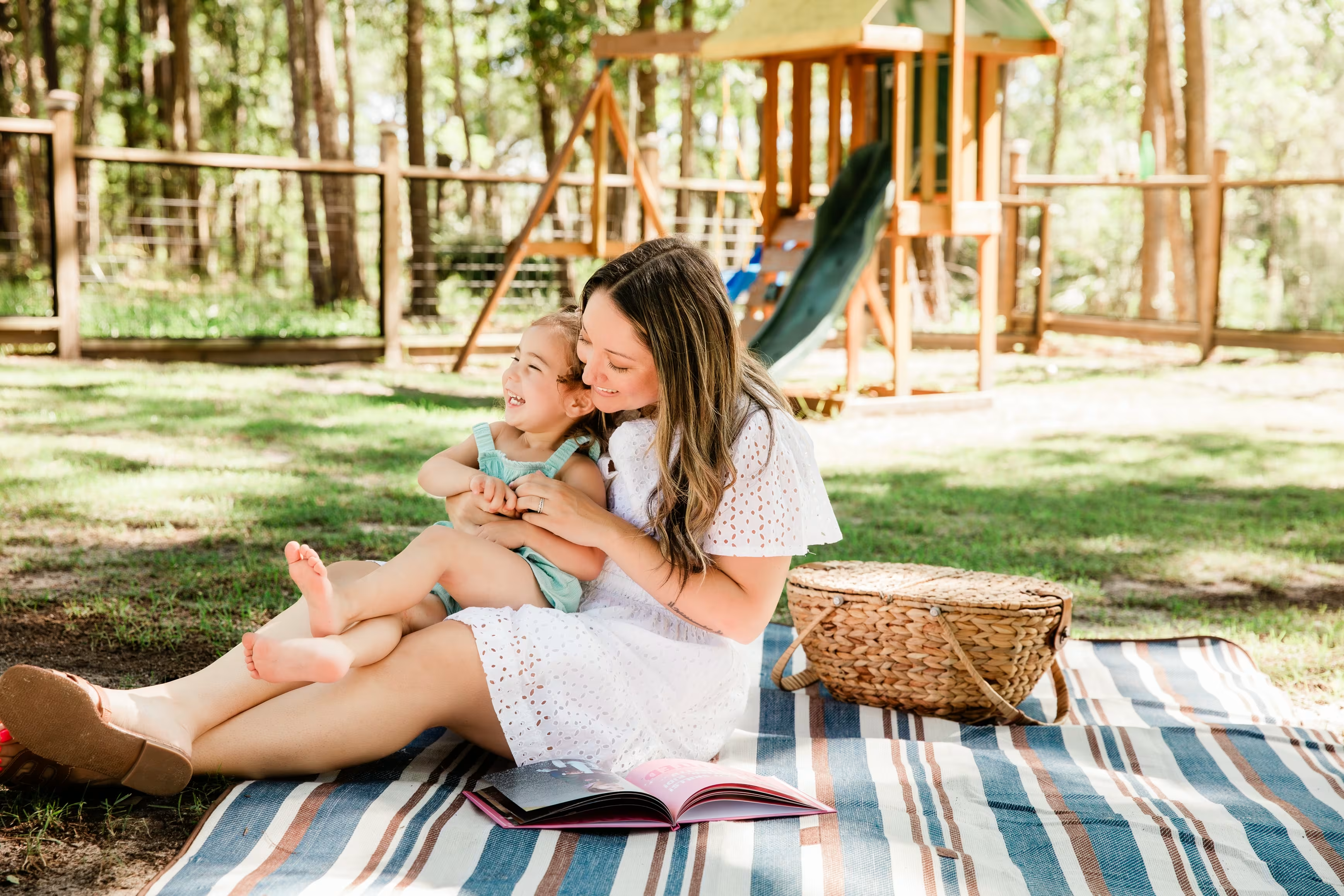
Some of the moments families remember most fondly from childhood summers are surprisingly simple. Running through the backyard sprinkler on a hot afternoon, a picnic blanket spread out under the shade of a tree, feeling your ice cream cone dripping down your hand faster than you could possibly eat it, a slow evening walk that turns into an impromptu bug hunt. None of these moments are particularly complicated. They don't require much planning, yet they tend to be the ones that stick.
That's really the idea behind this list of summer activities for kids. The goal isn't to engineer a social media worthy season or check every box on a Pinterest board— it's to notice the everyday adventures that make summer feel different from the rest of the year, and to be a little more intentional about enjoying them while they're happening. Whether you have a newborn, a toddler who wants to touch everything, a preschooler negotiating bedtime, or (bless you) a combo of these, there's a version of summer that can fit your family's lifestyle, budget, and schedule.
There's also no single right way to do summer with young children. A family with two working parents and a tight weekend schedule will have a different rhythm than a family with a stay-at-home caregiver and flexible days, and both can build a summer full of things worth remembering. Some of these ideas take five minutes of setup; others fill an entire afternoon. Some cost nothing beyond a bit of time outside, and others might mean a short drive to a nearby farm or museum. You don't have to do all of them, or even most of them! We're just here to provide a well of ideas to draw from when a free afternoon opens up and you're not sure what to do with it. You're welcome!
So sit back, relax, and browse our favorite fun summer activities for kids, organized into five categories: outdoor adventures, water play, creative projects, local outings, and rainy-day options. We're also including some simple ways to hold on to the memories once the season ends (it's kind of our thing)! Consider this less of a checklist and more of a menu. Pick what sounds fun, skip what doesn't, and let the rest of summer unfold organically and at its own pace.
Outdoor Adventures for Kids
Time outside is at the heart of most of our core summer memories, and young children in particular respond to the sensory richness of being outdoors: new textures, sounds, smells, and space to move that simply isn't available indoors. Early childhood educators point to regular outdoor play as a meaningful support for kids' physical, cognitive, and emotional development, not just a way to burn off energy. These ideas work well for a spontaneous afternoon or as the anchor for a full family outing, and most can be scaled up or down depending on how much time or energy everyone has that day.
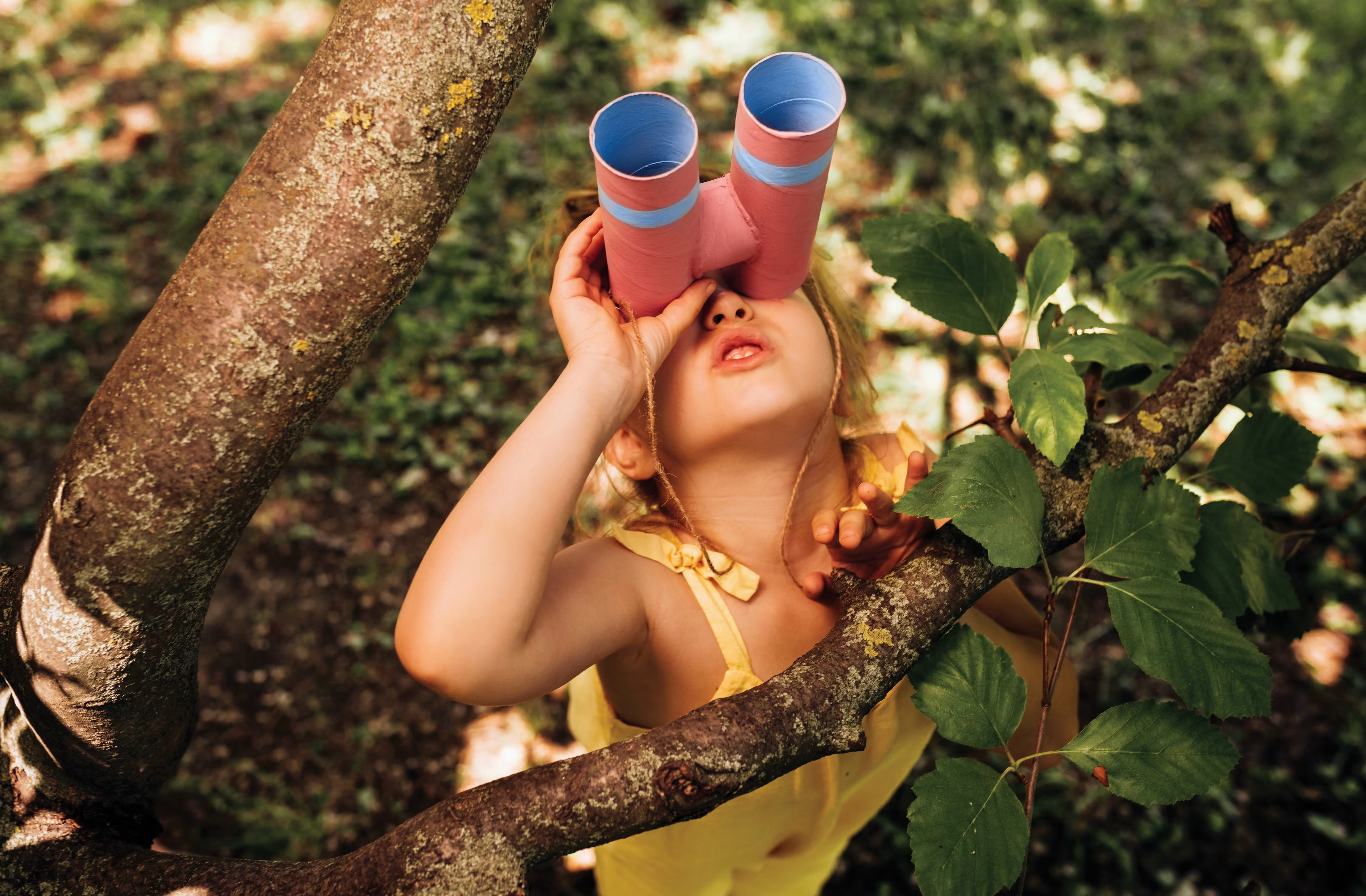
Nature scavenger hunt: Write or draw a short list of things to find (a smooth rock, a yellow flower, an ant, a pinecone) and set off on a walk together. For toddlers, a simple "find something red" or "find something soft" version works just as well as a printed list. Afterward, ask your child which find was their favorite— it's a small question that can lead to a surprisingly detailed answer.
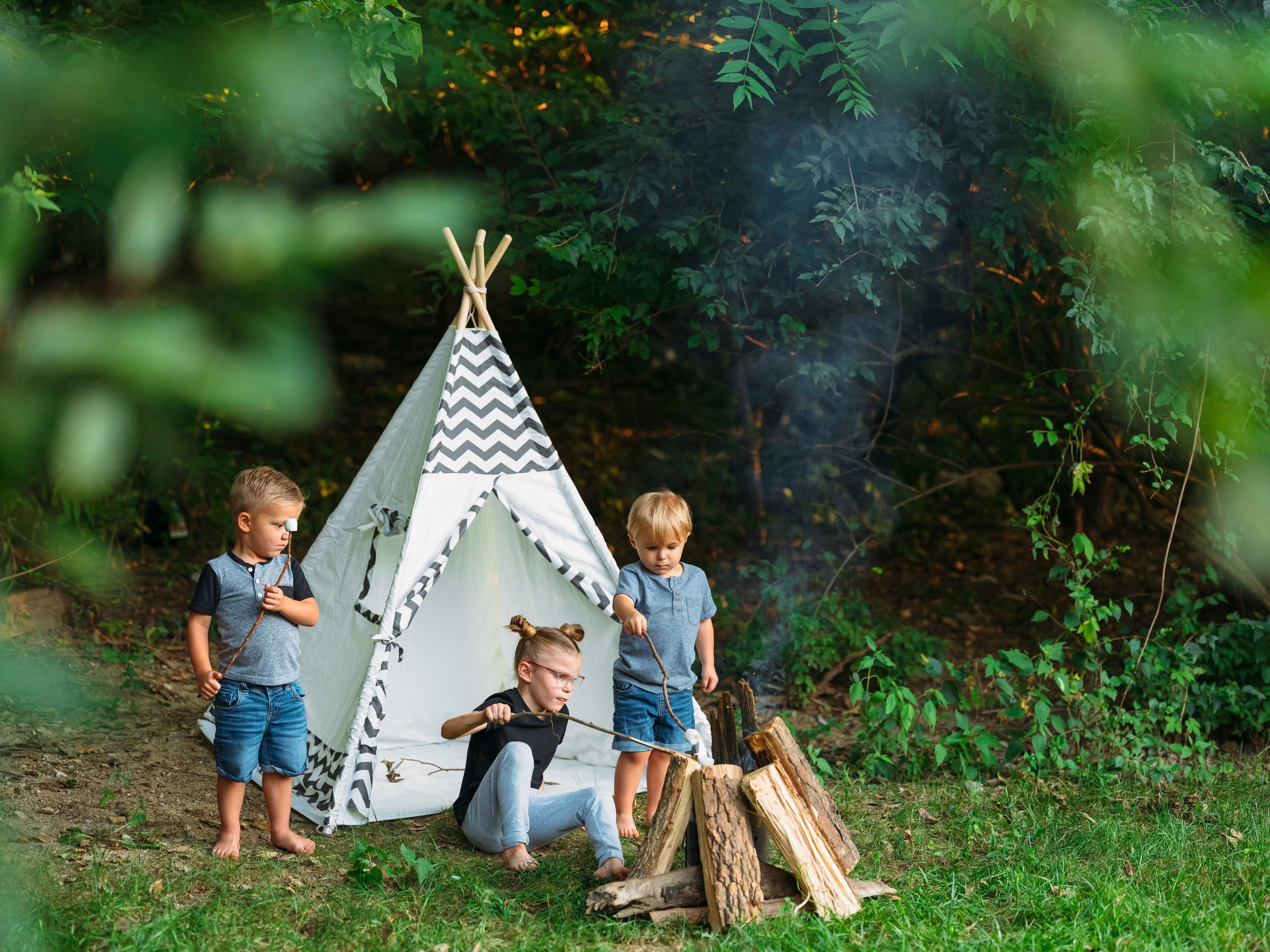
Backyard camping: A tent in the yard gives kids the thrill of "camping out" without the logistics of an actual trip. Bring flashlights, tell a silly story, and let the night feel like an event. Preschoolers often love this as a "practice campout" before a real one. Don't forget the s'mores!
Family bike ride: Whether it's a toddler in a bike seat, a child on training wheels, or a whole family riding together to a nearby park, a bike ride adds motion and a change of scenery to an ordinary evening. Ending at a favorite spot, whether that's a playground, an ice cream shop, or a scenic bench, gives the ride a destination worth pedaling toward.
Stargazing night: Lay out a blanket in the backyard or at a nearby field after dark and see what you can spot. Young children don't need a telescope or constellation knowledge to enjoy this; the novelty of being outside after bedtime is often the whole appeal. A gentle prompt like "what do you think is up there?" can lead to some memorable conversations.
Neighborhood nature walk: Sometimes the simplest option is also the best one. A slow walk around the block, with plenty of stopping to examine bugs, puddles, and interesting leaves, can take twenty minutes or an hour depending on how curious your child is feeling. Simply narrating what you notice along the way is one of the easiest ways to build a young child's vocabulary during an everyday routine.
Water Fun for Hot Summer Days
Few things say summer activities for kids quite like water play. It's low-cost, endlessly repeatable, and reliably popular across a wide age range: a toddler and a seven-year-old can both spend an hour happily entertained by the same sprinkler for entirely different reasons. A few basic safety reminders are worth keeping in mind, including the CDC's guidance on close, constant supervision near water: never leave young children unsupervised near water (even shallow water)— and check that outdoor surfaces aren't too hot for bare feet before letting kids run barefoot.
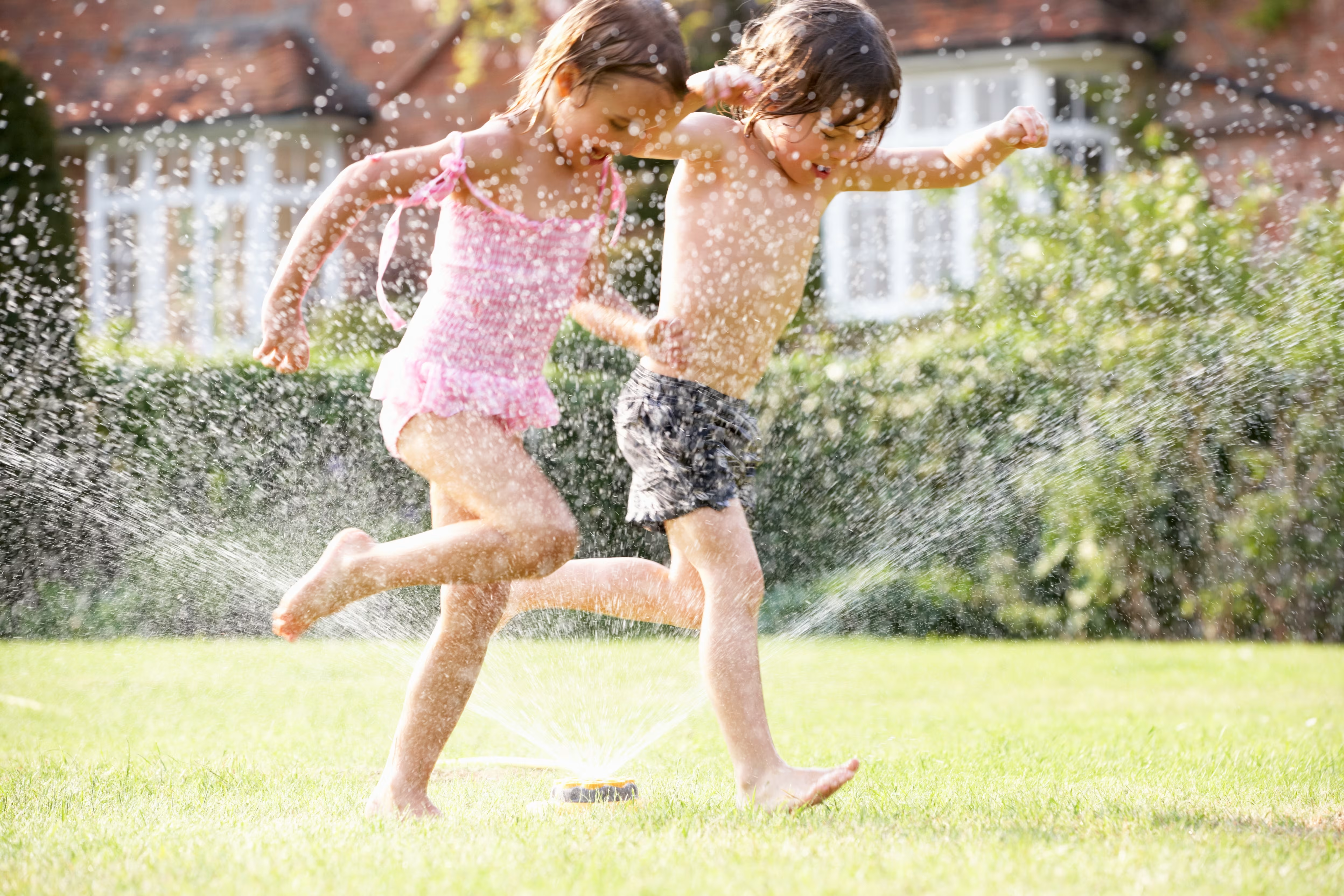
Sprinkler or splash pad afternoon: Running through a sprinkler is a classic for a reason: it requires almost no setup and delivers a lot of joy per minute. If you don't have a yard, most towns have a public splash pad that offers the same effect. Toddlers who aren't ready for full sprinkler chaos often enjoy simply sitting near the spray with a cup to fill and dump.
Beach or lake day: A day by the water, even a small local lake, gives kids sand or shallow water to explore at their own pace. Pack a few simple tools like a bucket and shovel rather than an elaborate kit; open-ended play tends to hold attention longer than single-purpose toys.
Water balloon games: Filling, tossing, and popping water balloons is satisfying at almost any age. For younger children, a gentle toss-and-catch game with a partially filled balloon can be just as fun as a full-on water fight, with less chance of an overwhelmed toddler.
Homemade car wash: Soapy sponges, a hose, and a few ride-on toys or actual bikes turn into an impromptu car wash station that keeps kids entertained for a surprising amount of time. It combines water play with a bit of "work," which many preschoolers find especially satisfying. And the Little Tikes getting a little cleaner is a great bonus!
Kiddie pool afternoon: A simple inflatable pool in the yard, paired with a few floating toys, gives younger children a contained, low-pressure way to enjoy water play close to home. Adding ice cubes to float around on a hot day is a small touch that tends to delight toddlers in particular.
Creative Summer Activities for Kids
Unstructured creative time gives children room to make choices, experiment, and occasionally make a mess, all of which support their growing sense of independence. There's rarely a "correct" outcome with these projects, and that's part of what makes them valuable; a child gets to decide what to make and how to make it, without a set of instructions to follow. Pediatric researchers describe this kind of open-ended play as central to healthy development, supporting everything from problem-solving to emotional regulation. These projects work well for a slower morning or as a break between other activities, and most require only supplies you likely already have at home.
Sidewalk chalk mural: A driveway or sidewalk becomes a great canvas with a bucket of chalk. Let your child lead: a scribbled abstract design is just as valid as an attempt at a recognizable picture. Taking a photo of the finished mural before the next rain washes it away is a nice way to hold on to a piece of the day.
Painted rocks: Smooth rocks, a few paint colors, and a paintbrush (or fingers, for younger kids) make for a simple, contained craft. Painted rocks can become paperweights, garden markers, or gifts, and toddlers generally enjoy the sensory experience of painting even if the result is more color than design.
Backyard fort building: Couch cushions, blankets, cardboard boxes, or even sticks and branches outside can become the raw materials for an awesome fort. Building together gives kids a taste of problem-solving, and the finished fort often becomes the site of an afternoon of imaginative play well beyond the building itself. If your kids like to play dress up, donning the appropriate attire and pretending to build a castle, a pirate's ship, or their own city can introduce a great opportunity for role-playing fun. Whether it's made up as they go or a more elaborate theme, fort building is always a good idea.
Homemade popsicles: Blending fruit and yogurt or juice into popsicle molds is an easy way to involve kids in the kitchen and gives them a lower sugar treat they helped make. Preschoolers can usually handle pouring the mixture into molds themselves, which adds a sense of ownership to the end result.
Summer time capsule: Fill a box or jar with small mementos from the season (a ticket stub, a drawing, a written or dictated list of favorite things) and set a date to open it, whether that's the end of this summer or a year from now. This is a gentle, low-effort way to give a season a sense of shape and closure.
Local Adventures Worth Trying This Summer
You don't need to travel far to create a memorable outing. Many of the best family summer bucket list ideas are sitting within a short drive, and revisiting the same local spots year after year can become its own kind of tradition, the kind of place a child associates with summer specifically, long before they could explain why.
Farmers market morning: Wandering a farmers market gives kids a chance to see, smell, and sometimes sample foods they don't usually encounter at the grocery store. Letting a young child pick out one piece of fruit to bring home, theirs to choose, adds a small sense of independence to the outing.
Berry picking: Local farms offering U-pick berries turn a grocery errand into an activity. Kids get to be outside, use their hands, and sometimes even eat along the way! It's also a naturally photogenic outing, if that's something your family enjoys capturing.
Library summer program: Many public libraries run summer reading programs, story times, or activity days that are free and designed with young children in mind. It's an easy way to build a weekly rhythm into the season without much planning on your part.
Ice cream outing: A trip to a local ice cream shop is a small event in itself for most young children. Making it a standing tradition, whether that's the same shop, the same day of the week, or a stop after a specific activity, gives kids something predictable to look forward to.
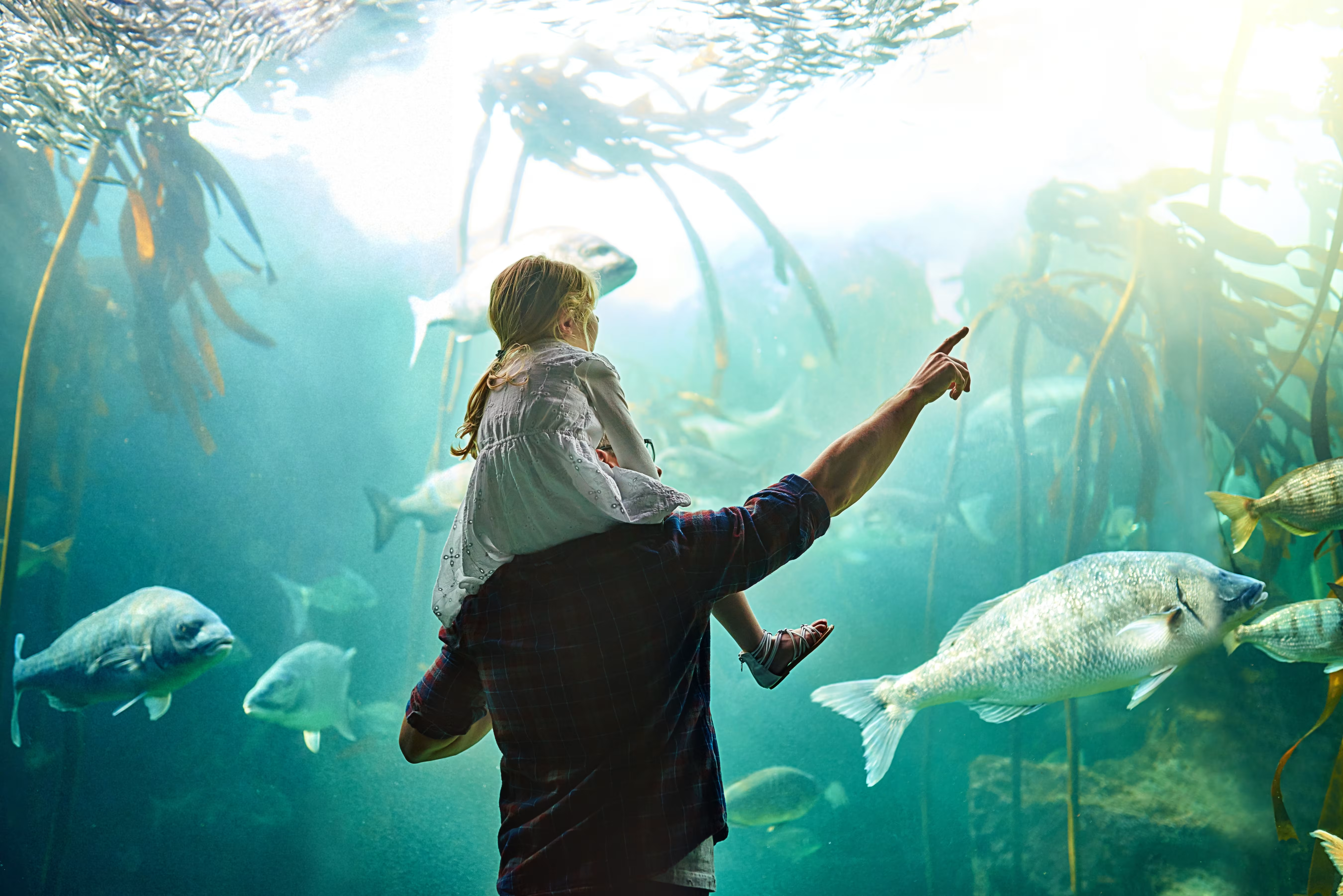
Children's museum, aquarium, or zoo visit: These outings offer variety and stimulation, and many local museums and zoos are scaled specifically for younger visitors. If a full day feels like too much, even an hour or two focused on your child's favorite exhibit can be plenty.
Forts never get old. Just ask our Friends.
Rainy-Day Summer Activities for Kids
Not every summer day cooperates with outdoor plans, and that's fine. Some of the coziest family memories happen indoors on a rainy afternoon. A change of pace indoors can be just as welcome as another day outside, especially for families juggling nap schedules or simply needing a slower day.
Baking together: Measuring, pouring, and stirring gives kids a hands-on task with a tasty payoff. Simple recipes like muffins or no-bake treats keep the process manageable for younger helpers, and most children take real pride in serving something they made themselves.
Indoor camping or blanket fort: The rainy-day counterpart to backyard camping, an indoor blanket fort with cushions, flashlights, and a favorite stuffed animal can make a gray afternoon feel like a special event rather than a letdown.
Family movie night: A movie, some popcorn, and everyone gathered on the couch is a small ritual that many families return to again and again. Letting your child pick the movie, even if you've seen it a dozen times already, gives them a sense of ownership over the choice.
Big block or LEGO build: Setting aside uninterrupted time for a large building project, whether it's wooden blocks, LEGO, or couch cushions, gives kids room to plan, experiment, and problem-solve at their own pace.
Family dance party or talent show: Clearing a bit of floor space and putting on music for a spontaneous dance party is an easy way to shift the mood of a rainy day. A silly, low-stakes talent show, where every act gets applause, works well for slightly older preschoolers who enjoy performing.
Simple Ways to Preserve Summer Memories
Once the activities are done, what tends to last is not the perfectly staged photo, but the fact that the experience happened at all, and that someone in the family remembers it. Conversation plays a bigger role here than people often expect. Talking with young children about what they did, what they noticed, and why they enjoyed it helps them build the language and structure to hold on to their own memories over time, a skill child development researchers call autobiographical memory. This kind of back-and-forth reminiscing, a parent asking questions and a child filling in the details, tends to strengthen a child's own recall of an event far more than simply having experienced it. It's also a quiet way of reinforcing a child's sense of belonging within the family's shared story, and of building the vocabulary they need to describe their own experiences.
A few low-effort habits can help a season's worth of ordinary moments stay accessible later on:
Take candid photos, not just posed ones. A blurry photo of a genuine laugh often means more later than a perfectly composed shot.
Record funny quotes: Kids really do say the darnedest things! Unexpectedly funny or thoughtful things can be spontaneously blurted out during unstructured play. A quick video or even a note in your phone captures what memory alone tends to lose.
Keep a short running list of summer moments. A simple ongoing list, even just a few words per entry, is enough to jog your memory months or years later.
Save one or two meaningful mementos from the season, whether that's a drawing, a ticket stub, or a pressed flower from a nature walk.
Ask your child about their favorite part of the day. This simple question, asked regularly, helps children reflect on their own experiences and gives you insight into what actually mattered to them.
Revisit photos together later in the summer. Looking back at pictures from earlier in the season with your child is its own small activity, one that often sparks conversation and reminds everyone how much was packed into just a few months.
This is also where a service like Stareworthy can be useful. Our approach has never been to manufacture memories— it's to hold on to the ones your family already made. Our memory albums turn a season's worth of photos and small stories into something a child can hold onto. Or if your family took a big summer trip, a book like Away We Went can help your child revisit the experience. Both are great ways for kids to look back at their own summer fun, long after the sprinkler has been put away.
Making This Summer One to Remember
The moments that make a childhood summer memorable are rarely elaborate. They're usually just ordinary time, spent together, without much rushing. A backyard picnic, a rainy-day dance party, an ice cream cone eaten in the sun. These are the moments that tend to surface years later, often before the bigger, more planned-out ones do. Years from now, it's unlikely your child will remember whether a particular afternoon went exactly as planned. What they're far more likely to carry with them is the general feeling of the season: that summer was a time of joyous freedom, when someone made space to be with them, unhurried.
As this summer unfolds, it's worth pausing every so often to look back at the photos and small stories you've already collected and choose a few worth holding onto. If you're looking for a simple way to do that, you can browse Stareworthy's collection of personalized photo books and turn those real family photos and everyday adventures into a keepsake your child can revisit again and again: their own summer, told in a way they'll want to come back to.
Frequently Asked Questions
What are the best summer activities for kids that don't cost anything?
Many of the most memorable summer activities are free. A nature scavenger hunt, a neighborhood walk, backyard camping, sidewalk chalk art, and an afternoon under the sprinkler all require little more than time. Local libraries also often run free summer reading programs and activity days for young children.
How can I keep my toddler entertained during summer without screens?
Toddlers tend to do best with short, sensory-rich activities rather than one big outing: water play, painted rocks, a simplified scavenger hunt ("find something red"), or helping "wash" bikes with soapy sponges. Rotating a handful of these throughout the week usually holds their attention better than a single planned event.
What are good rainy-day activities for kids in the summer?
Baking together, building an indoor blanket fort, a family movie night, a big block or LEGO project, and a spontaneous dance party are all easy ways to make an indoor day feel special when outdoor plans get rained out.
How do I put together a summer bucket list for my family?
Start by picking one or two ideas from a few different categories, such as outdoor, water, creative, and local outings, rather than trying to plan every single day. A short, flexible list tends to actually get used, while a long, rigid one often doesn't.
How can I help my child remember their summer?
Talking with your child about what they did and noticed helps them build the language to hold onto their own memories over time. Simple habits like taking candid photos, jotting down funny quotes, and looking back at photos together later in the season all support this.
What age are these summer activities appropriate for?
Most of the ideas on this list can be adapted for children as young as one or two, using a simplified version of the activity, up through early elementary age. Water play, sensory crafts, and short outings tend to be the easiest to scale down for the youngest kids.
Anna Stare is a Charleston-based author and photographer with a passion for storytelling, memory-making, and early childhood development. She founded Stareworthy Custom Children’s Books to help families preserve real-life moments through heartfelt, rhythmic stories using their own photos. Anna writes all of Stareworthy’s books and contributes regularly to the blog, where she shares tips, insights, and inspiration for parents and caregivers of young children.
Join our mailing list for access to exclusive features and deals, including 10% OFF your first order!