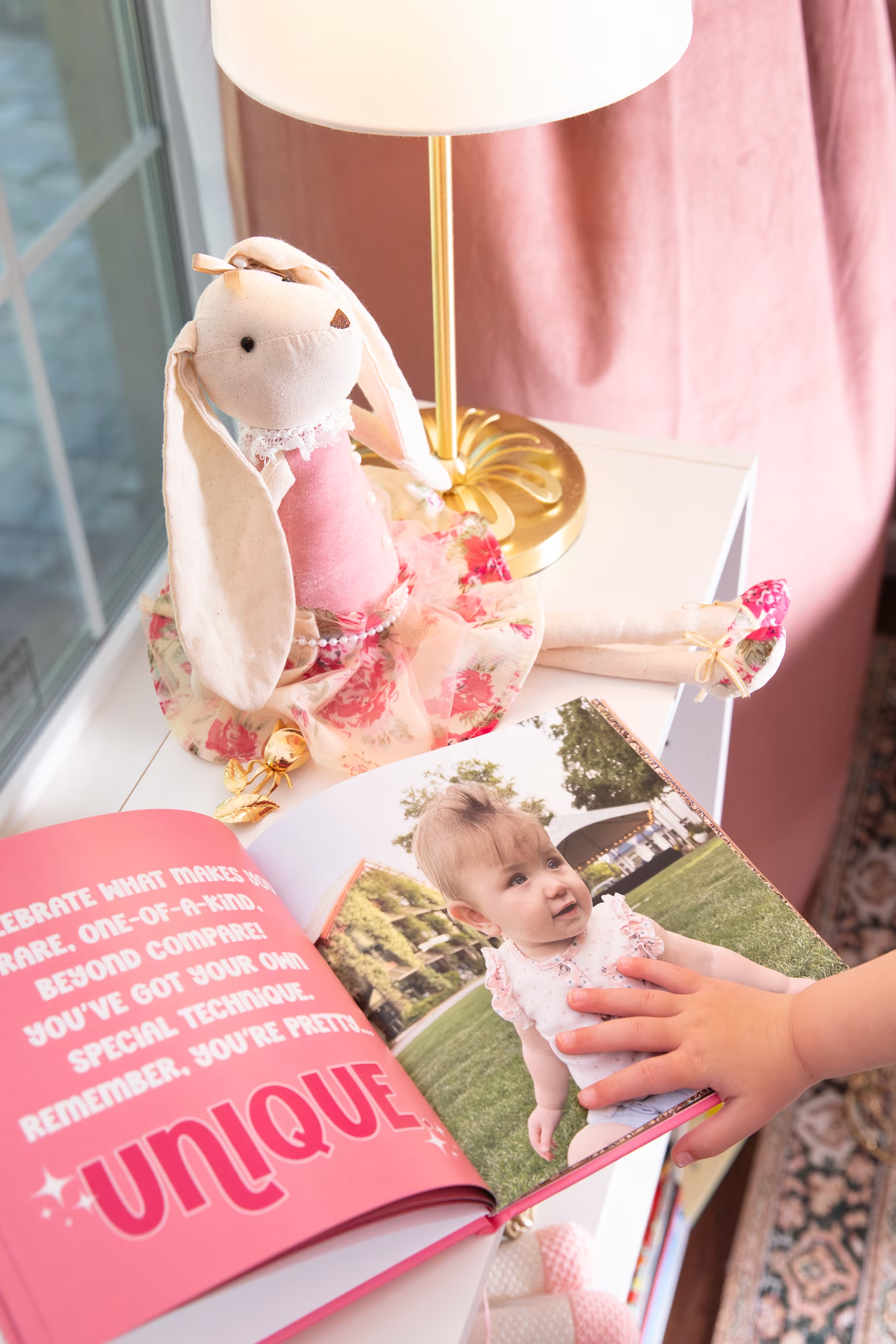
If you’ve ever watched your toddler flip through a book and suddenly light up at the sight of their own face, you know the moment. There’s recognition in their eyes— excitement, curiosity, even pride. They point, they smile, and they want to go back to that page again and again.
It’s easy to see that as simply adorable, but what’s actually happening beneath the surface is far more significant.
In the toddler years, the brain is developing at an extraordinary pace. Identity, language, memory, and emotional understanding are all beginning to take shape. When young children see themselves reflected in a story, it does more than capture their attention, it supports foundational development in ways we often don’t realize.

Around 18 to 24 months, most toddlers begin to pass what’s known as the “mirror test,” recognizing that the reflection in the mirror is themselves. This marks a major developmental milestone: the emergence of self-awareness. They are beginning to understand that they are separate individuals with their own experiences, preferences, and place in the world.
At this stage, toddlers are quietly forming answers to questions they cannot yet articulate: Who am I? Where do I belong? What do I know? Where have I been before?
When they see an image of themselves in a book, especially within the context of a story narrative, their brain connects image, memory, and language all at once. That connection reinforces their developing sense of self. It tells them, in a very tangible way, “This is you. This happened to you. You are part of this story.”
Toddlers are also deeply comforted by familiarity. Developmental research consistently shows that predictable, repeated experiences help young children feel secure. Familiar faces, routines, recognizable settings, and events they remember create an emotional anchor. This is one reason toddlers often request the same book night after night. At this stage, craving repetition doesn't mean they aren't interested in other new things, it’s reinforcement of what's familiar and already loved. Each re-reading strengthens their neural pathways and deepens their understanding.

Long before children can describe their identity in words, they are building what psychologists often refer to as a “narrative sense of self.” In simple terms, this means they are beginning to organize their experiences into a story about who they are.
When a toddler repeatedly hears about a trip to the beach, a birthday celebration, or a visit with grandparents, those moments begin to take shape in their memory. They start to understand that experiences unfold over time, that they actively participated in them, and that they can mentally revisit them.
Research in early childhood development has shown that reminiscing— talking with children about past experiences— plays an important role in strengthening memory formation. When parents or caregivers describe events in detail and invite children to recall what happened, they are actively helping build long-term memory pathways. Adding visual elements, such as photographs or tangible mementos from the experience, makes that process even more powerful because they link words with concrete images or items.
Language development also flourishes in these moments. When vocabulary is tied to lived experience, it carries more meaning. Words they may hear in other books and shows they watch, like “airport,” “snow,” or “birthday cake,” are no longer abstract labels; they are connected to something the child remembers seeing, touching, or feeling. Knowing they’ve experienced these things firsthand strengthens both engagement and comprehension.
In many ways, stories rooted in their real experiences offer toddlers a bridge between language and life.
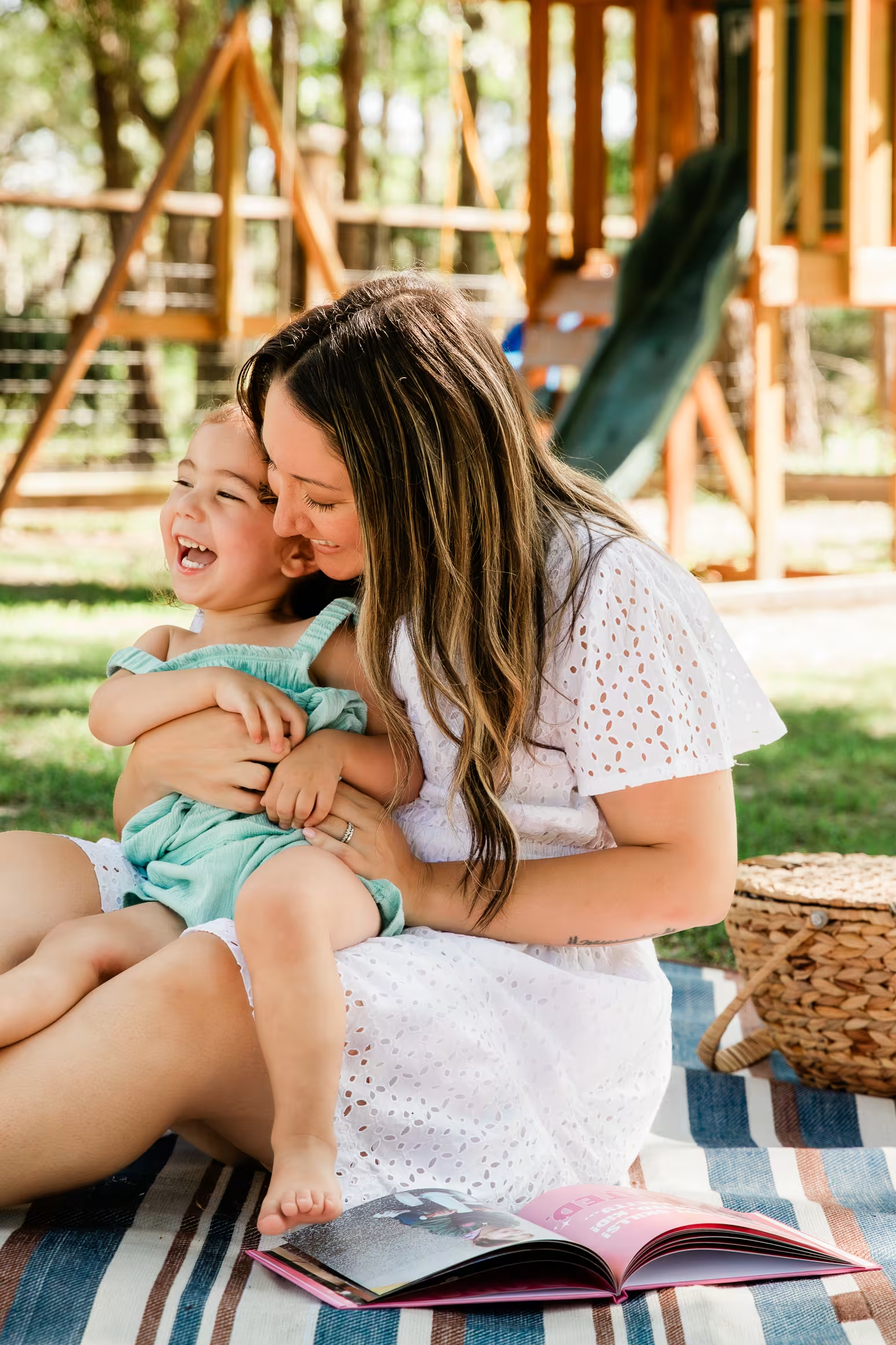
Imaginative stories absolutely have their place. Fantasy nurtures creativity and opens the door to abstract thinking. But in the earliest years, children are concrete learners. They understand the world best through what they have directly experienced.
When a story reflects something that truly happened— a family trip, a simple afternoon adventure, a milestone moment— toddlers engage with it differently. They are not just listening; they are remembering. They are participating. They are connecting pieces of their world together.
This understanding is what led me to create Stareworthy in the first place. Long before it became a business, it was simply an idea born out of love for our memories. As a young child, I had experienced firsthand how powerful it could be to revisit a meaningful trip through photos and words. I looked back at our family photo albums all the time, and around age 11 started making the albums myself— getting our photos printed, organized, labeled, and put into the albums to relive our trips and experiences. Many years later, when I became an aunt to five incredible kids, I didn’t want their moments to simply fade into a camera roll on a phone. I wanted them to relive their own special moments in a way that engaged them, helped them focus, and nurtured their growing understanding of their own lives.
For me, this has never been about creating something flashy or fictional. It has always been about preserving real experiences— the ones that shape identity, strengthen connection, and give children a sense of belonging in their families. When we turn lived moments into stories, we are honoring them. We are telling our children, “Your experiences matter. You are part of something meaningful.”
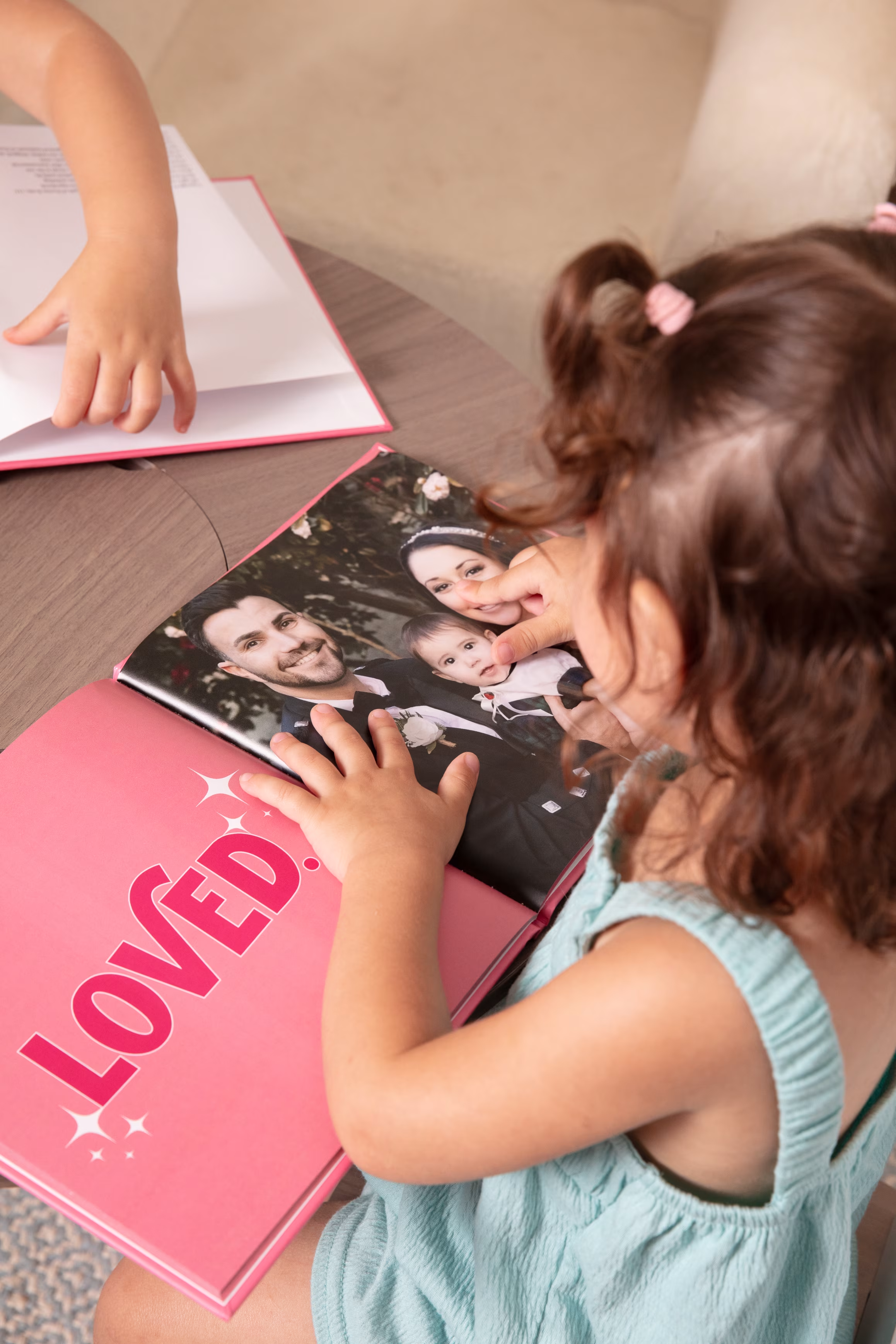
When toddlers regularly see themselves reflected in stories, they are quietly building confidence. They are learning that their life is worth talking about, that their memories are important, and that they are woven into the fabric of their family’s history.
Over time, these small storytelling moments contribute to emotional security. A child who understands their place within a family narrative often develops a stronger sense of belonging; and belonging is foundational. It's not hyperbole— that budding sense of self in the early years really does influence resilience, empathy, and the ability to form healthy relationships later in life.
It's deceptively simple— pointing at a photo in a book and smiling at the memory may not seem like a big deal— but developmentally, it's significant for your toddler. Growth happens in these ordinary moments, repeated consistently, with warmth and intention.
Most toddlers begin recognizing themselves between 18 and 24 months. This milestone signals growing self-awareness and identity development.
Books that reflect a toddler’s real experiences can support identity formation, strengthen memory pathways, and enhance language development. When children can see themselves in stories, engagement and comprehension often increase.
Repetition strengthens neural connections in the brain. Familiar stories provide emotional security and reinforce learning. For toddlers, repetition is an important brain-building activity.
Both types of stories are valuable. Imaginative books foster creativity and empathy, while real-life stories provide concrete connections that support early identity and memory development. In the toddler years, personal relevance can be especially powerful.
Talk about past events often, use photos as visual prompts, ask simple recall questions, and revisit meaningful moments through storytelling. Consistent reminiscing helps strengthen early memory development.