There is something quietly powerful about the stories we carry from our childhood.
They may seem small in the moment, like a family trip, a silly misunderstanding, or a tradition repeated year after year. But over time, these moments shape how we see ourselves, how we understand our families, and how we connect with others.
For young children, these stories are even more meaningful. When they hear about your past or see those experiences reflected back to them, they begin to understand where they come from and how they fit into the world around them.
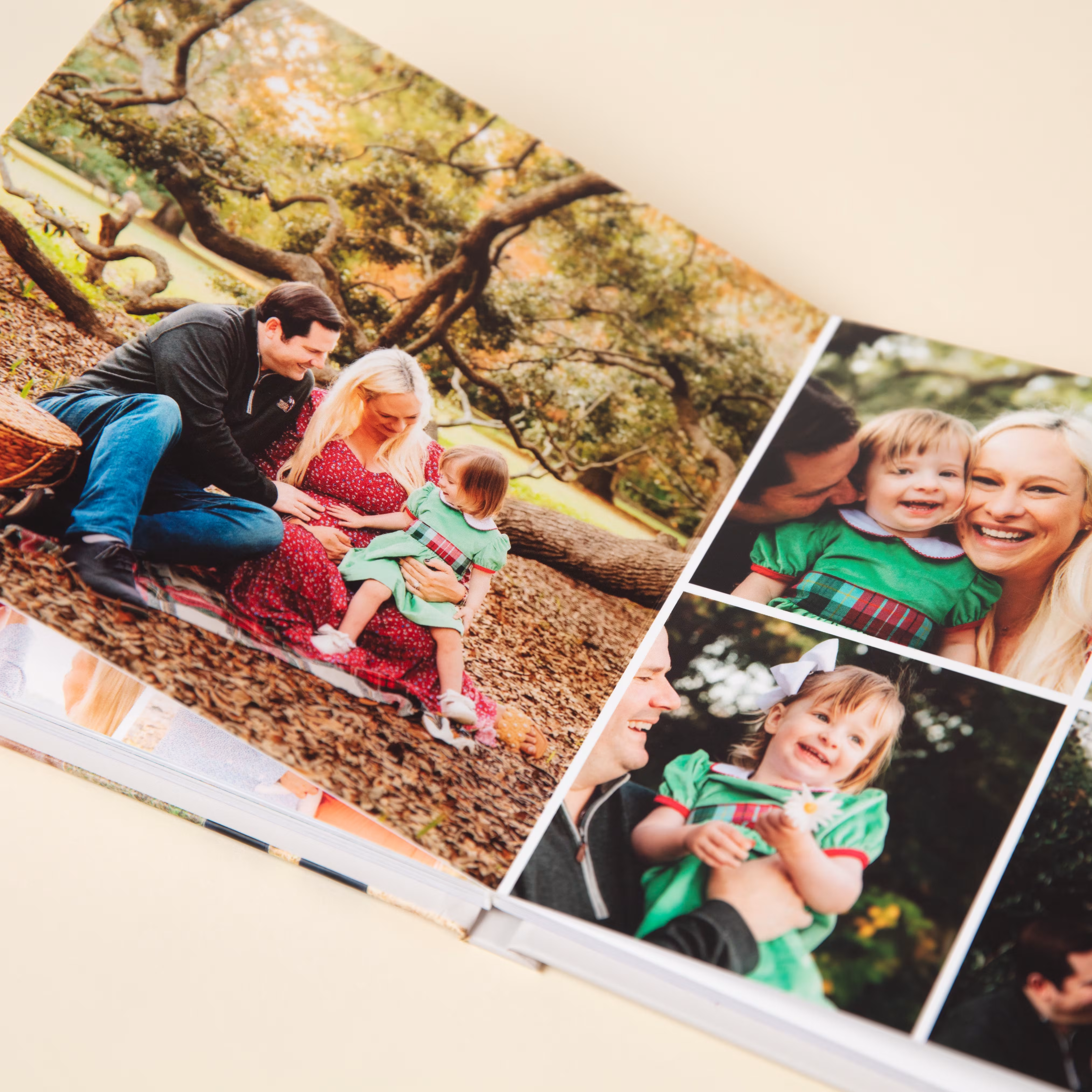
This is where a childhood memory book becomes so valuable. It is not about creating something new, but about preserving real moments and giving those memories a lasting place in your family’s story.
When families spend time reminiscing childhood memories, they are doing more than simply revisiting the past. They are reinforcing emotional connections that help children feel grounded and secure. Even simple stories about everyday life can create a sense of continuity, showing children that their family has a shared history that continues to grow over time.
This sense of connection plays an important role in emotional development. Children who regularly hear family stories often feel a deeper sense of belonging because they can see themselves as part of something meaningful. A thoughtfully created childhood memory book can help preserve these moments so they remain accessible long after the stories are first told.
Children are naturally drawn to learning about their parents’ childhood. They want to know what you were like, what you enjoyed, and how your experiences compare to their own. This curiosity is not just playful, it is part of how children begin to build their understanding of identity and growth.
When parents share stories from their past, children start to recognize patterns between those experiences and their own lives. This helps normalize challenges and encourages a sense of curiosity about their own journey. Over time, reminiscing memories in this way becomes a meaningful part of how children learn and connect.
Family stories help children form a clearer picture of who they are and where they come from. Hearing about traditions, experiences, and family milestones allows them to see themselves as part of a larger narrative. This is especially important in early childhood, when a sense of identity is just beginning to take shape.
When these stories are written down in a childhood memory book, they become even more powerful. Children can revisit them over time, strengthening their understanding of their place within the family.
Real experiences often carry lessons that children absorb naturally through storytelling. A story about trying something new may introduce courage, while a memory about a mistake can gently teach accountability. Because these lessons are grounded in real life, they tend to feel more relatable and meaningful.
Rather than presenting advice directly, reminiscing childhood memories allows children to connect emotionally with the story. This makes the takeaway more lasting and impactful.
When children hear stories from their parents’ childhood, it helps them see their parents in a new light. They begin to understand that their parents have grown, learned, and experienced life just as they are doing now. This shift in perspective can strengthen the relationship by creating more empathy and openness.
As children grow, this understanding often leads to more meaningful conversations. It builds a foundation of trust that supports communication well beyond the early years.
Sharing stories from the past creates opportunities for more meaningful conversations at home. Instead of focusing only on daily routines, families begin to talk about experiences, emotions, and lessons that carry deeper meaning. These conversations feel more engaging because they are rooted in real life rather than abstract ideas.
Over time, this habit of reminiscing memories encourages children to share their own thoughts and experiences. It creates a natural rhythm of communication that strengthens the overall connection within the family.
Many traditions start as simple moments, but without context, their meaning can be lost over time. When parents share the stories behind these traditions, children gain a deeper appreciation for them and are more likely to carry them forward.
A childhood memory book can help preserve not only the traditions themselves, but also the meaning behind them. This ensures that values and experiences are passed down in a way that feels intentional and lasting.
Some of the most meaningful memories are not major milestones, but the small, everyday moments that families share. A bedtime routine, a favorite meal, or a recurring joke can become part of a child’s lasting impression of their family.
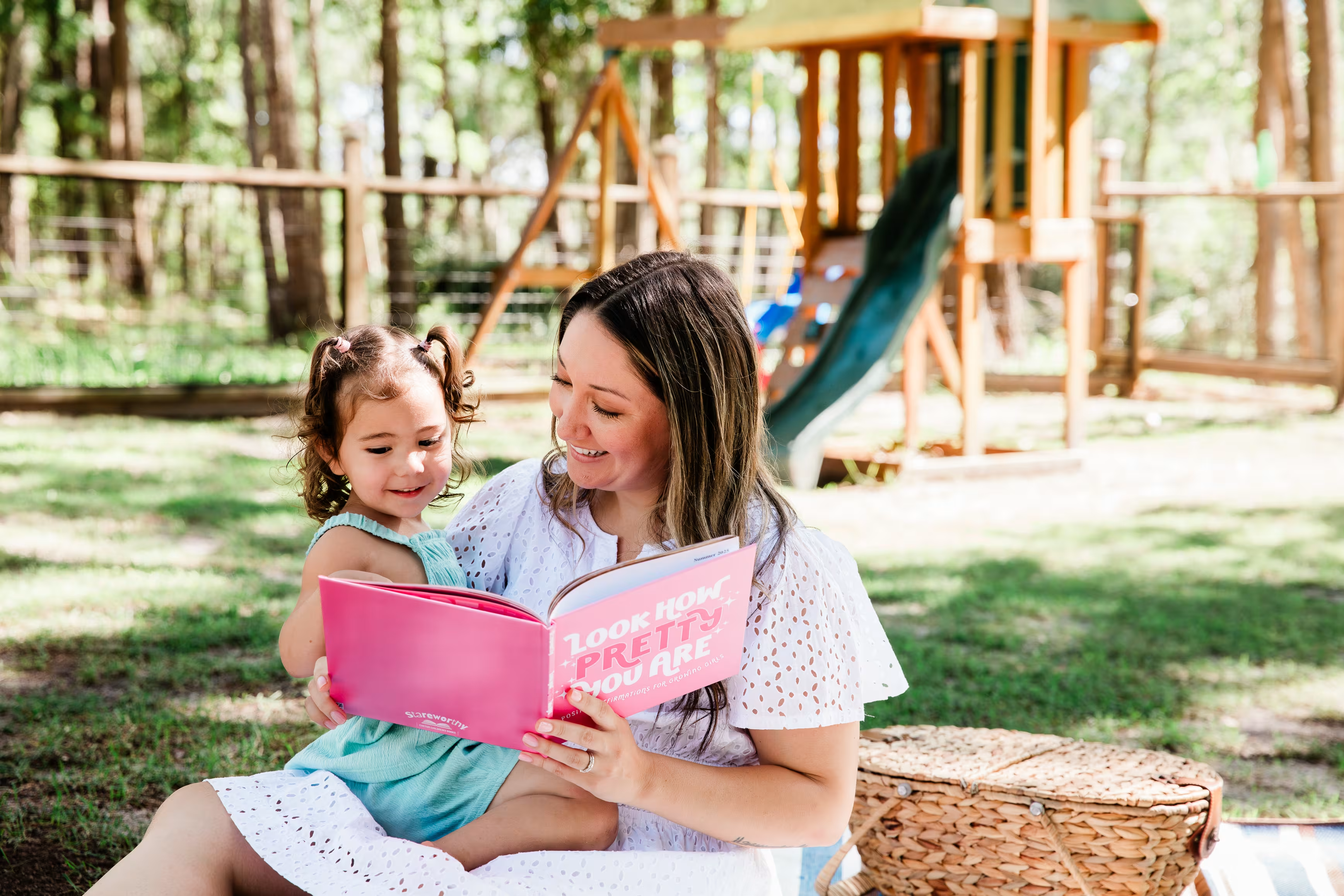
When these moments are acknowledged and preserved, they take on greater significance. Many families choose to capture these everyday experiences through personalized storytelling, such as the options available in the Stareworthy collection, where real-life moments are thoughtfully turned into stories children can revisit again and again.
Children who regularly hear family stories often develop a stronger sense of emotional security. These stories provide reassurance that challenges are a normal part of life and that their family has navigated them before. This understanding can be especially comforting during uncertain moments.
As children internalize these narratives, they begin to feel more confident in their ability to handle their own experiences. A well-preserved childhood memory book can serve as a reminder of these shared experiences and the resilience within their family.
Stories that include obstacles or setbacks offer valuable insight into resilience. When children hear how their parents worked through challenges, it provides a realistic model for handling difficulties. These stories show that setbacks are not something to fear, but rather part of the process of growth.
This perspective can shape how children approach their own challenges, helping them feel more capable and less discouraged when things do not go as planned.
A strong sense of identity develops over time through relationships, experiences, and understanding. Family storytelling plays an important role in this process by helping children see how their lives connect to those who came before them.
When children can revisit these stories, whether through conversation or through a childhood memory book, they gain a clearer sense of who they are and where they belong. This foundation supports emotional well-being and confidence as they grow.
.avif)
Bedtime and quiet family moments provide a natural setting for sharing stories. Instead of always turning to traditional books, parents can occasionally share memories from their own childhood. These stories often feel more personal and engaging, making them especially meaningful for children.
Over time, this practice can become a cherished routine that strengthens connection and encourages ongoing storytelling within the family.
Photos and keepsakes bring stories to life in a way that words alone sometimes cannot. When children can see the people, places, and moments being described, it helps them better understand and connect with the story.
Looking through albums together also invites natural conversation. Children often ask questions and begin to piece together how those memories relate to their own experiences.
Writing down your stories ensures that they are not lost over time. While spoken memories are meaningful, they can fade or change as years pass. A childhood memory book provides a way to preserve those experiences in a lasting and accessible format.
For many families, this becomes one of the most meaningful ways of reminiscing childhood memories, allowing children to return to these stories whenever they want.
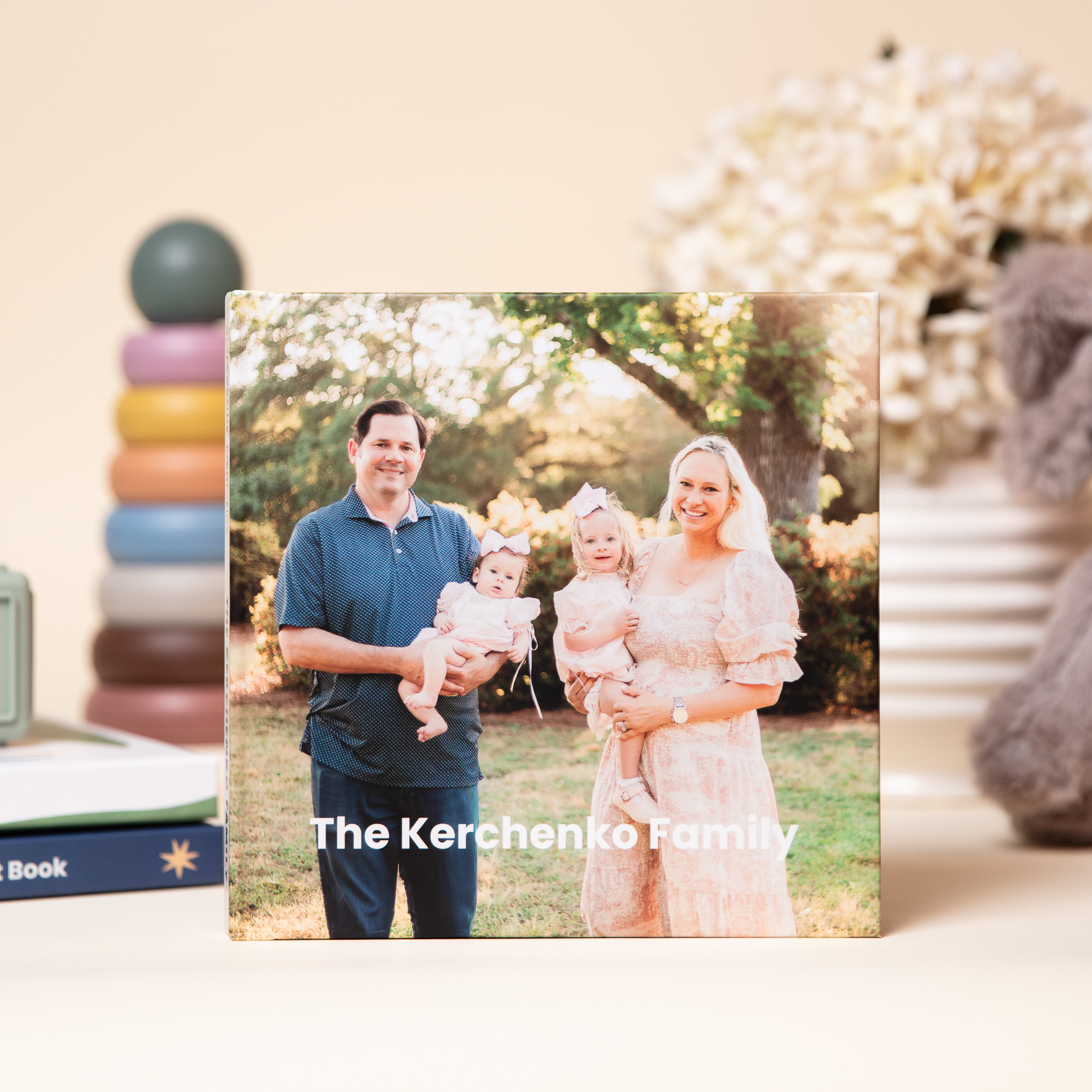
A childhood memory book allows families to preserve their stories in a way that can be shared across generations. Instead of relying solely on memory, these experiences are documented and kept in a form that can be revisited over time.
This creates a lasting connection between generations, ensuring that meaningful stories are not lost as time passes.
There is a meaningful difference between remembering a story and being able to hold it in your hands. When reminiscing memories are transformed into a physical book, they become something children can interact with and return to on their own.
This tangible experience often deepens the connection children feel to the story, making it more memorable and impactful.
The best childhood memory book is one that reflects your family’s real experiences in an honest and thoughtful way. It does not need to be perfect, but it should feel genuine and meaningful.
For families who want a structured and beautifully designed way to bring these stories together, exploring options like those found in the Stareworthy shop can help turn everyday memories into something lasting while keeping the focus on your own experiences.
Some of the most meaningful stories come from experiences that stood out during childhood. These might include trips, holidays, or simple days that felt special at the time. Writing about these moments allows you to revisit them while also sharing them with your child in a meaningful way.
Including small details can make these stories feel more vivid and engaging, helping children connect more deeply with the experience.
Lighthearted stories often become favorites because they are relatable and entertaining. Sharing funny or slightly embarrassing moments from your childhood helps create connection while also showing that everyone makes mistakes and learns from them.
These stories can also make parents feel more approachable, which encourages children to be more open about their own experiences.
Milestones help provide structure and context within your family’s story. These moments might include moves, new family members, or meaningful achievements that shaped your experiences. Documenting these events creates a more complete picture of your childhood.
When children understand these milestones, they gain a better sense of how their family has evolved over time, which strengthens their overall sense of connection.
Childhood memories shape how children understand themselves, their families, and the world around them. When parents take the time to share and preserve these stories, they are creating something that goes far beyond a simple narrative.
They are building connection, strengthening identity, and offering a lasting sense of belonging.
A childhood memory book becomes a meaningful way to hold onto those moments and ensure they remain part of your family’s story for years to come.
Sharing childhood memories helps children develop a stronger sense of identity and belonging. It allows them to understand their family’s history while also giving context to their own experiences.
Family stories can strengthen confidence by showing children that growth often comes through challenges. Hearing real experiences provides reassurance and helps children feel more capable.
Children can learn resilience, empathy, and problem-solving through real-life stories. These lessons feel more meaningful because they are rooted in lived experiences rather than abstract advice.
Reminiscing memories creates shared experiences that encourage conversation and connection. It helps families reflect on meaningful moments together, strengthening emotional bonds over time.
Family storytelling supports emotional development by helping children understand emotions, build empathy, and develop a stronger sense of identity.