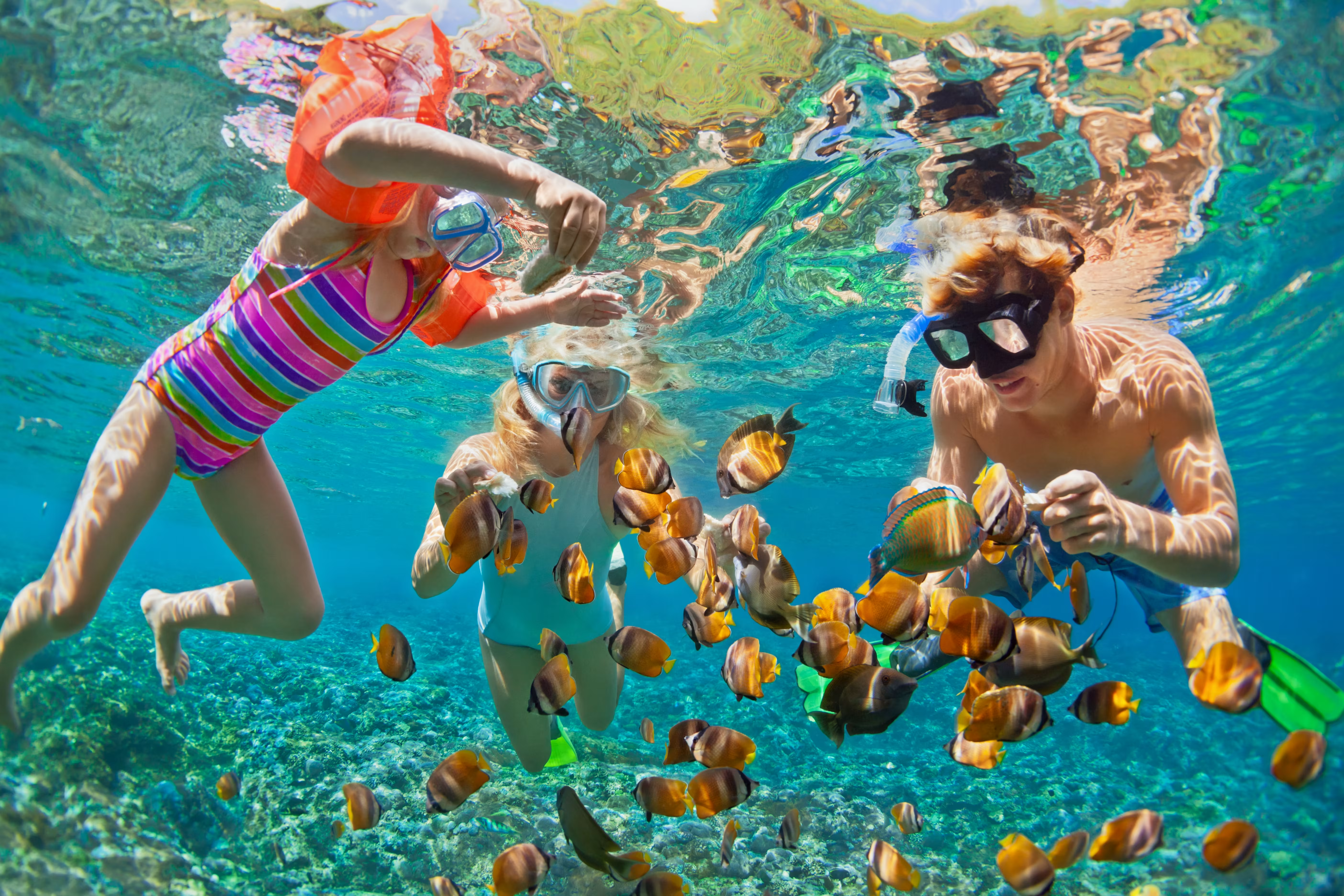
If you have ever found yourself stepping over piles of plastic toys or quietly rotating items out of the playroom, you already understand how quickly things can accumulate. Many children receive an abundance of toys throughout the year, especially around birthdays and holidays. While toys certainly have their place, not every gift needs to add to the collection. More families are beginning to search for meaningful gift ideas for kids that feel thoughtful, personal, and lasting. They want gifts that support connection and growth rather than short-lived excitement.
If that sounds familiar, this guide will walk you through unique non-toy gift ideas for kids that encourage creativity, memory-building, and long-term value.
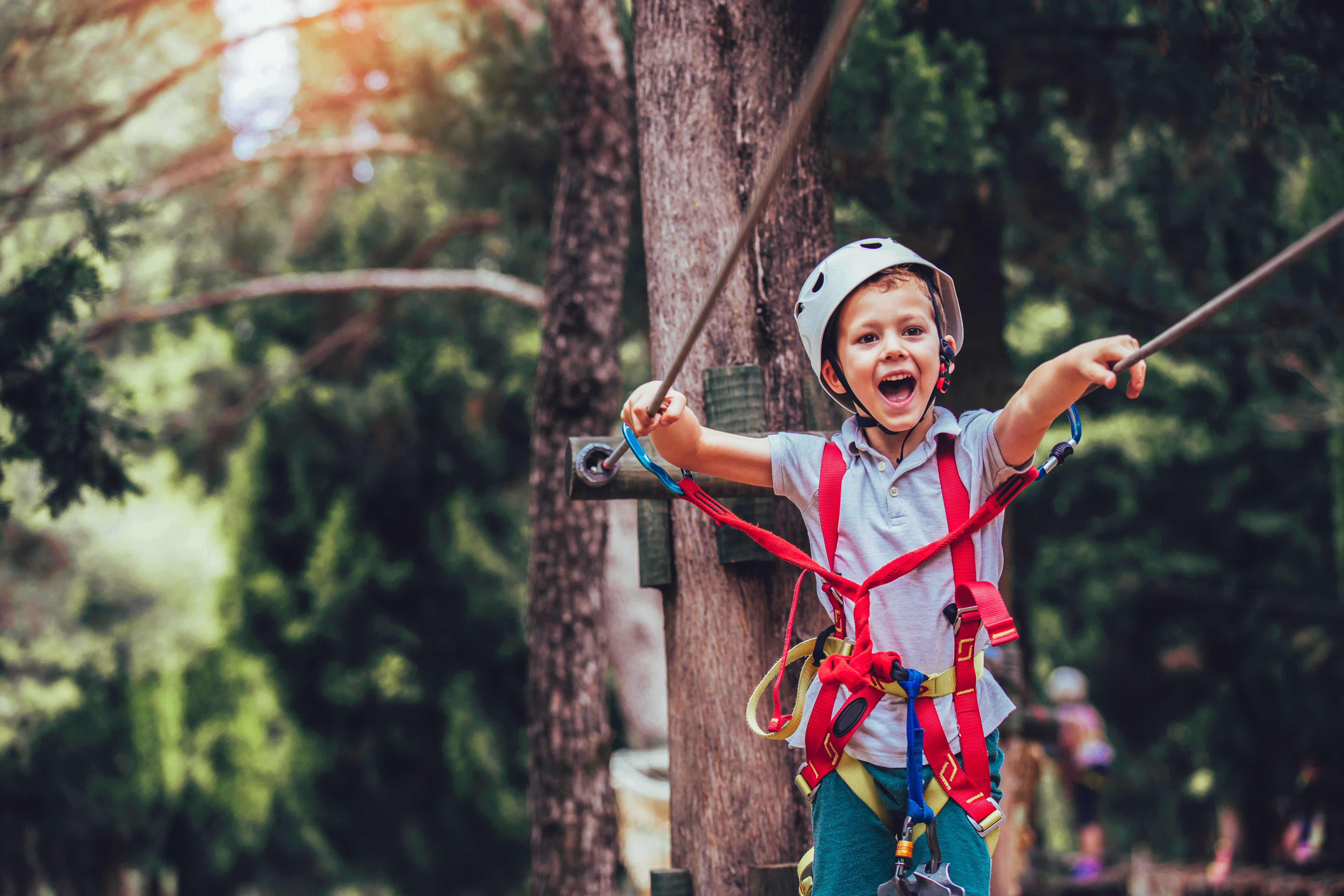
Not all gifts need to light up or make noise to be exciting. Meaningful non-toy gifts focus on experience, personalization, and emotional connection.
The most lasting gifts are often the ones that become part of a child’s story. Instead of sitting untouched on a shelf, they are revisited, talked about, and remembered.
Examples include:
These types of gifts invite interaction rather than passive entertainment.
A meaningful gift typically includes one or more of the following qualities:
Meaningfulness is less about price and more about intention. A simple gift that feels personal often has far more impact than something expensive but impersonal.
Toys tend to follow trends. Interests shift. What feels exciting today may feel forgotten in a few months.
Non-toy gifts rooted in memory or experience often grow with the child. A personalized book or memory album can be revisited year after year. As children mature, they understand the experiences more deeply, and the meaning expands alongside their development.
Choosing a non-toy gift is not about eliminating fun. It is about broadening what fun can look like.
When children receive too many toys at once, it can lead to overstimulation and decreased engagement. Research in early childhood development suggests that fewer, more intentional items often encourage deeper focus and more sustained interaction.
A meaningful gift for kids can help shift the emphasis from quantity to quality.
Non-toy gifts frequently promote:
For example, a personalized book that walks a child through a real-life experience helps them contextualize events, build vocabulary, and strengthen early literacy foundations.
Gifts that involve shared experiences or preserved memories reinforce belonging. When children see themselves in stories or photo books, they are reminded that their experiences matter and that they are part of something larger than themselves.
Connection supports emotional security, especially in the early years.
Short bursts of excitement fade quickly. A meaningful non-toy gift for kids often supports:
These benefits accumulate gradually and continue long after the wrapping paper is gone.
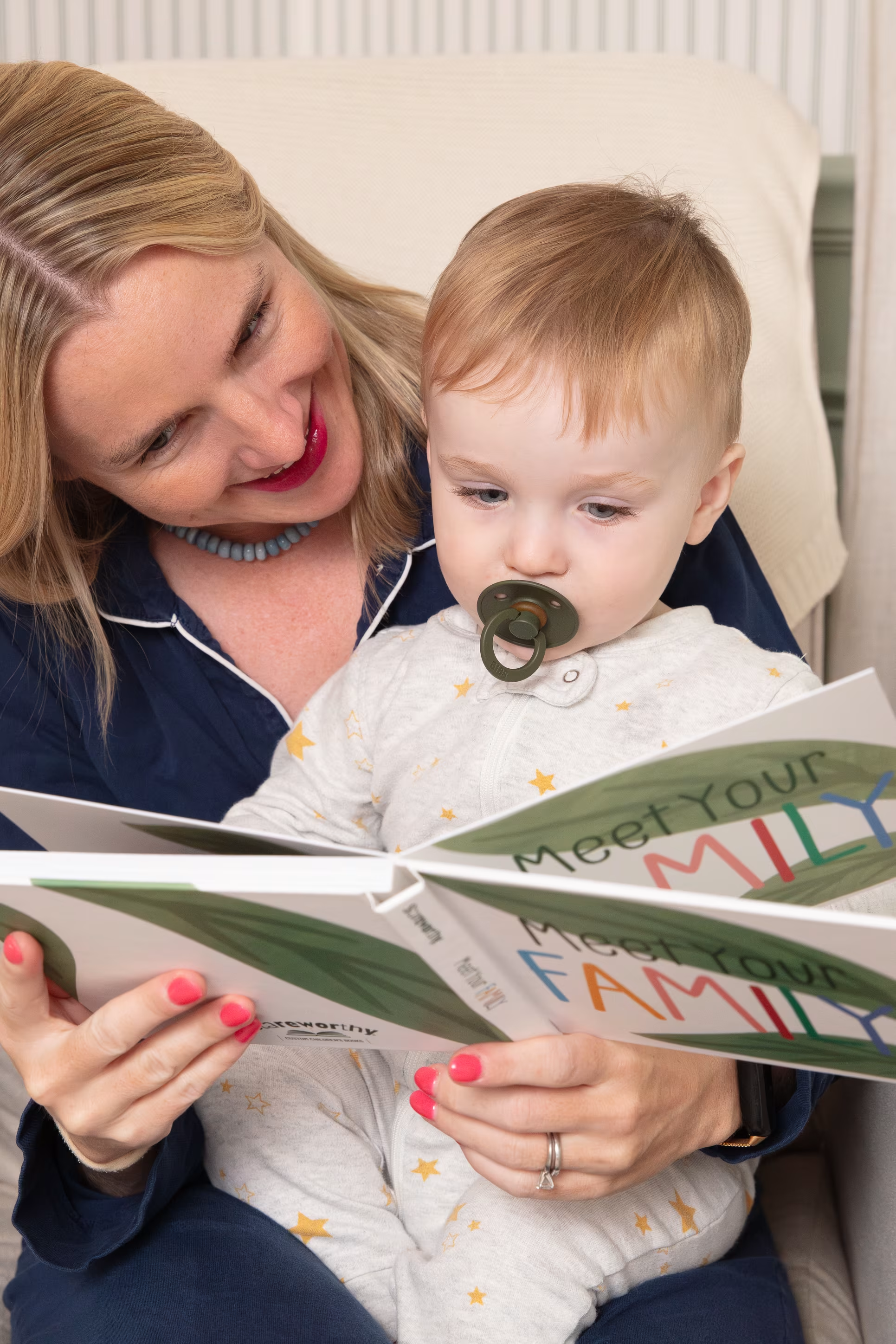
Personalized books remain one of the most unique gifts for kids because they place the child at the center of the story. When a book is built around a child’s real-life experiences, such as a family trip or milestone, it does more than entertain. It helps the child revisit what happened, process details, and strengthen memory through repetition. A structured narrative supports sequencing skills and comprehension in ways that simple photo collections often do not. For families who want a gift that preserves real memories while also nurturing development, you can explore Stareworthy’s custom children’s books. These books are intentionally designed around real-life experiences and organized through guided storytelling so children can understand their own stories, not just flip through images.
When life experiences are framed in a clear beginning, middle, and end, the book becomes something children return to again and again. Over time, it becomes part of how they understand where they have been and how they are growing.
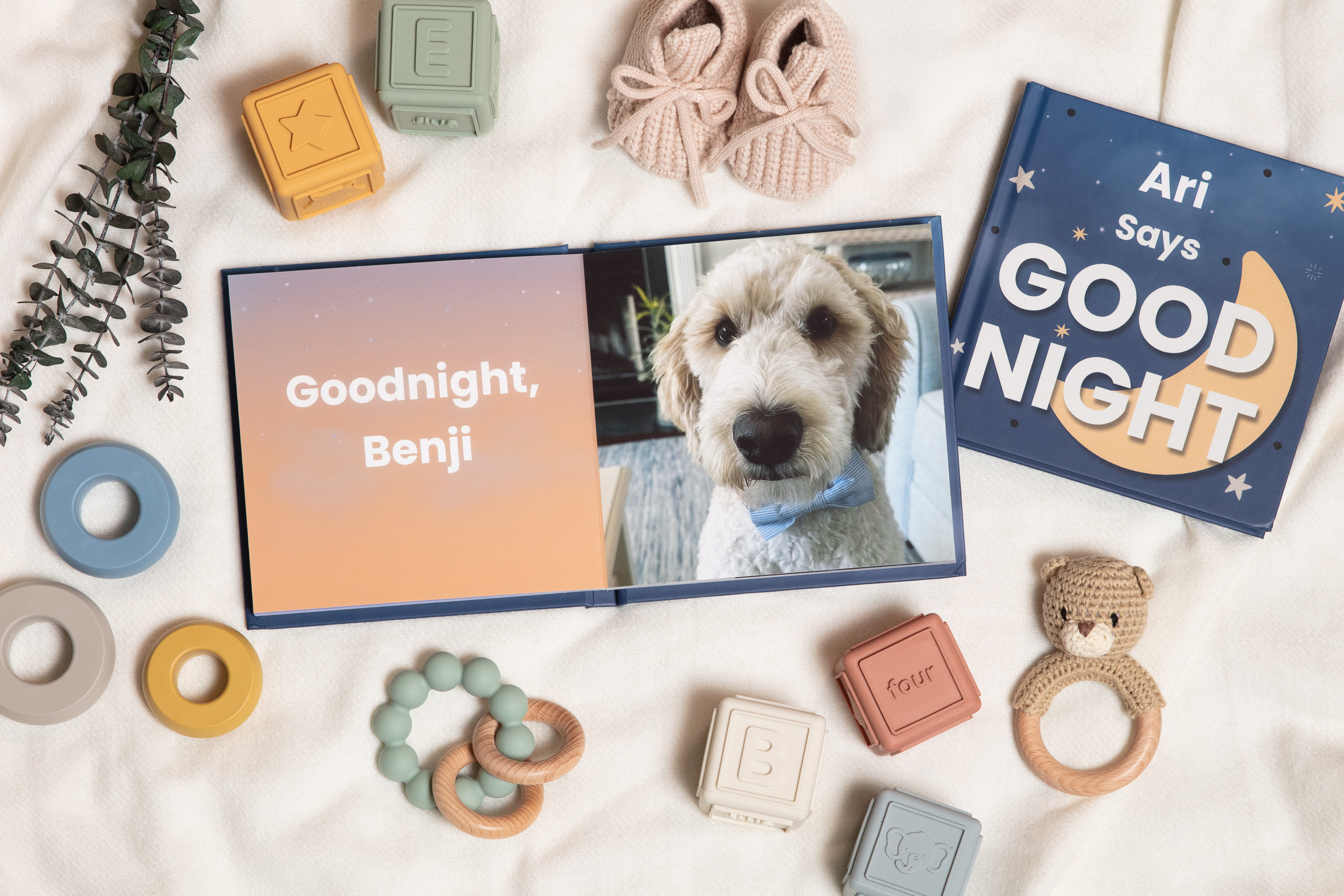
A custom photo book that tells the story of a trip, a season of life, or a meaningful relationship becomes part of a family’s history. Unlike digital galleries that are rarely revisited, a printed book can become part of a bedtime routine. When experiences are organized into a clear narrative structure, children are better able to recall details and strengthen memory pathways. Over time, these books become markers of growth and shared history.
Choosing the right meaningful gift for kids often depends on developmental stage.
At this stage, repetition and recognition are essential.
Consider:
Toddlers thrive on seeing themselves reflected in stories and familiar environments.
Preschoolers are developing stronger language and sequencing skills.
Good options include:
Gifts that encourage storytelling are especially valuable at this stage.
Older children often appreciate:
Involving them in the process builds ownership and pride.
Meaningful does not have to mean expensive.
Affordable options include:
The care behind the gift is what gives it depth.
Experiences often outlast physical objects.
Consider:
When paired with a way to document the experience, the memory becomes even more lasting.
Choosing a non-toy gift becomes clearer when you slow down and consider a few thoughtful questions.
Some children are storytellers. Others prefer hands-on creativity. Matching the gift to who they are increases its impact.
Ask yourself whether the gift will still feel relevant and meaningful a year from now.
A gift can be enjoyable while also supporting development. These goals work beautifully together.
This simple question often clarifies whether a gift has lasting value.
A gift that is developmentally beyond a child’s stage may feel frustrating rather than exciting.
Including the child’s name, favorite activity, or shared experience increases emotional connection.
Simple ideas, thoughtfully executed, often have the most impact.
Always consider attention span, reading level, and developmental stage.
When meaningful gifts become traditions, their value grows each year.
Some families choose one intentional experience each year instead of multiple toys.
Creating a birthday photo book annually builds a tangible timeline of growth.
A yearly keepsake that documents milestones can become something children anticipate and treasure.
Not every gift needs to create instant excitement. Some of the most powerful gifts are the ones that invite reflection, connection, and growth over time.
When you choose a meaningful gift for kids rooted in experience, personalization, or storytelling, you are offering something that extends far beyond the moment it is opened.
Some of the most popular non-toy gift ideas for kids include personalized books, memory albums, experience gifts such as classes or outings, journals, art supplies, and family memberships to museums or attractions. These types of gifts focus less on accumulating objects and more on creating engagement, creativity, and shared experiences. A meaningful gift often becomes something a child revisits rather than something that gets pushed aside after a few weeks.
Non-toy gifts can be especially supportive of child development because they often encourage language skills, storytelling, emotional expression, and memory-building. While toys absolutely have value, gifts rooted in real experiences or personalization tend to promote deeper engagement. For example, a story-based photo book helps a child recall events, sequence experiences, and strengthen comprehension skills, all while reinforcing emotional connection.
You can make a gift more personal by incorporating specific details about the child’s life. This might include adding their name, referencing a recent trip, including family photos, or highlighting a favorite activity. Personalization does not have to be complicated. Even a simple handwritten note explaining why you chose the gift can significantly increase its meaning and emotional impact.
Yes, especially when the gift is interactive or connected to something they genuinely enjoy. Younger children may initially respond to the excitement of toys, but meaningful non-toy gifts often become more appreciated over time. As children grow, they begin to understand the sentimental value behind memory-based or experience-based gifts and often return to them repeatedly.
If a child does not gravitate toward toys, consider gifts that center around experiences, creativity, or personal storytelling. A custom photo book, a special class, a family outing, or a journal designed around their interests can feel both thoughtful and engaging. The key is choosing something that aligns with who they are rather than defaulting to traditional toy categories.