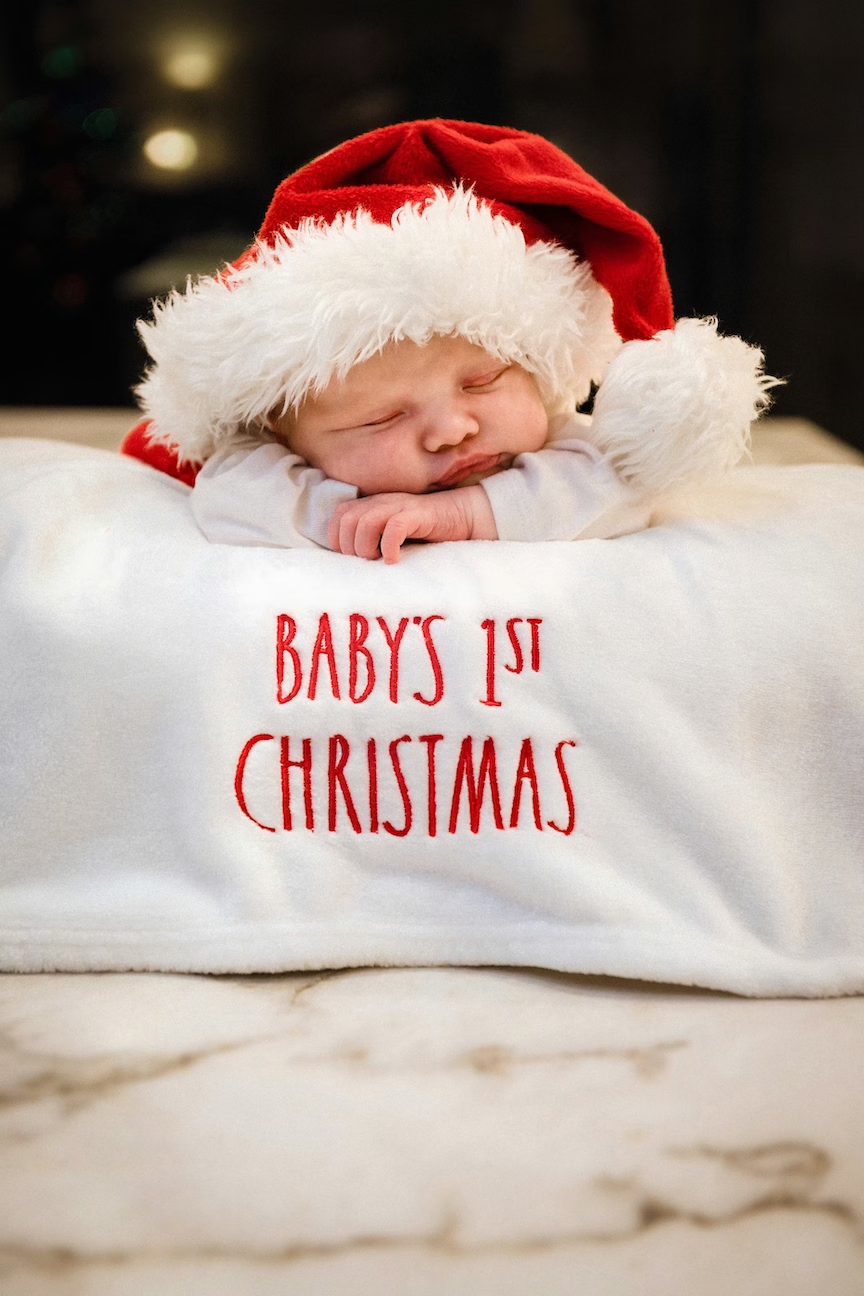
Your baby’s first Christmas arrives quietly— nestled between feedings, naps, and moments that already feel fleeting. While your little one may not understand the holiday yet, this season marks a powerful emotional milestone for parents and grandparents alike. It’s the first time traditions shift, routines soften, and memories begin to form around someone entirely new.
Making your child’s first Christmas memorable doesn’t require elaborate plans or non-stop picture-perfect moments. Instead, it’s about presence, intention, and choosing what truly matters during this once-in-a-lifetime season.
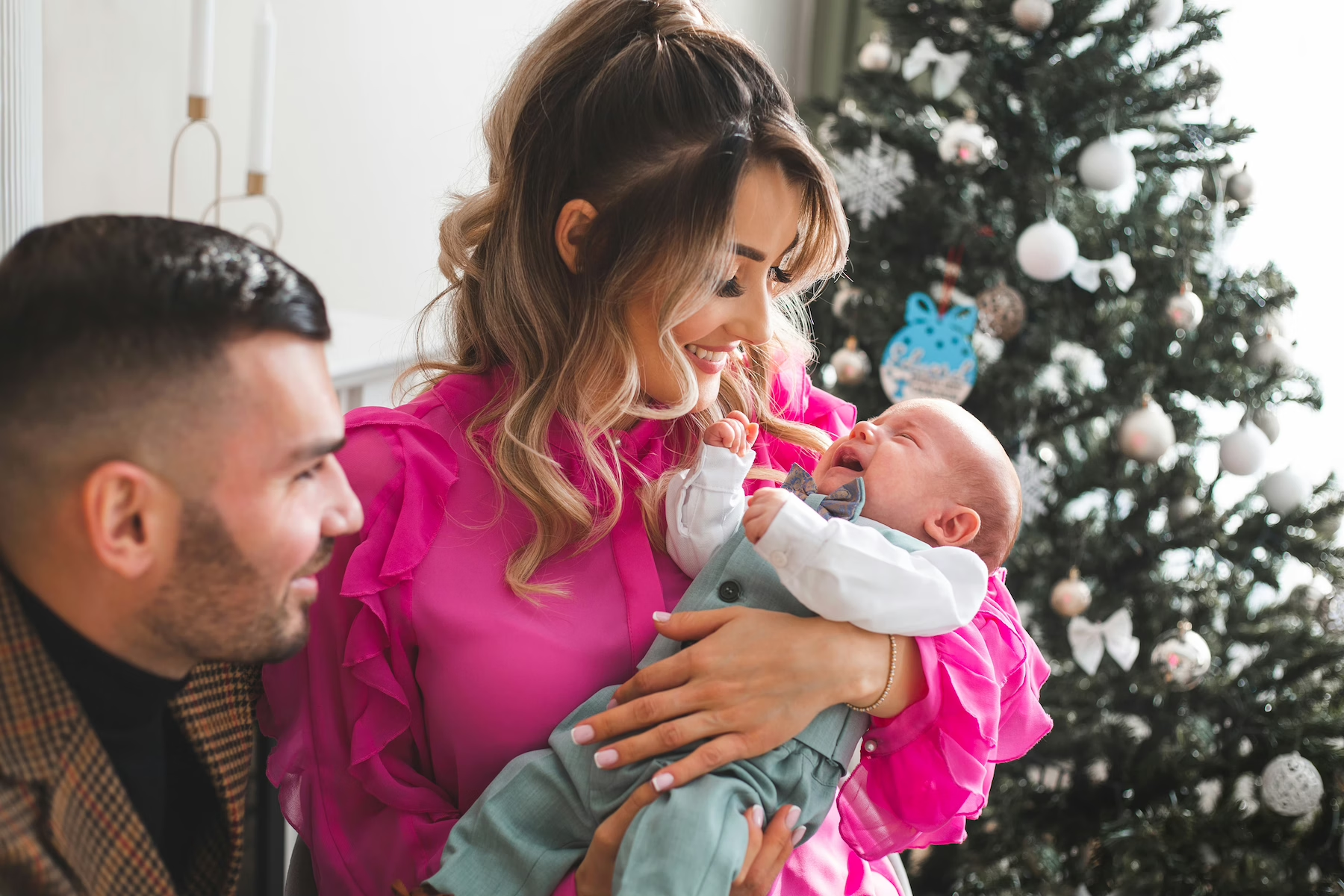
For parents, a baby’s first Christmas represents a profound shift: traditions once centered on adults now revolve around a tiny new family member. For grandparents, it often rekindles memories of their own children’s early years, creating a beautiful sense of continuity across generations.
These emotional milestones are subtle but powerful. The first stocking hung, the first photo by the tree, the first time holding your baby while holiday music plays softly in the background....these are moments that linger long after the season ends.
Babies won’t consciously remember their first Christmas, but that doesn’t make the experience any less meaningful. Memory-making in early childhood is as much about parents preserving moments as it is about children eventually growing into them.
Photos, letters, and keepsakes become story anchors— tangible ways to say, “You were loved from the very beginning.”
Newborns vs. older infants: what to realistically expect
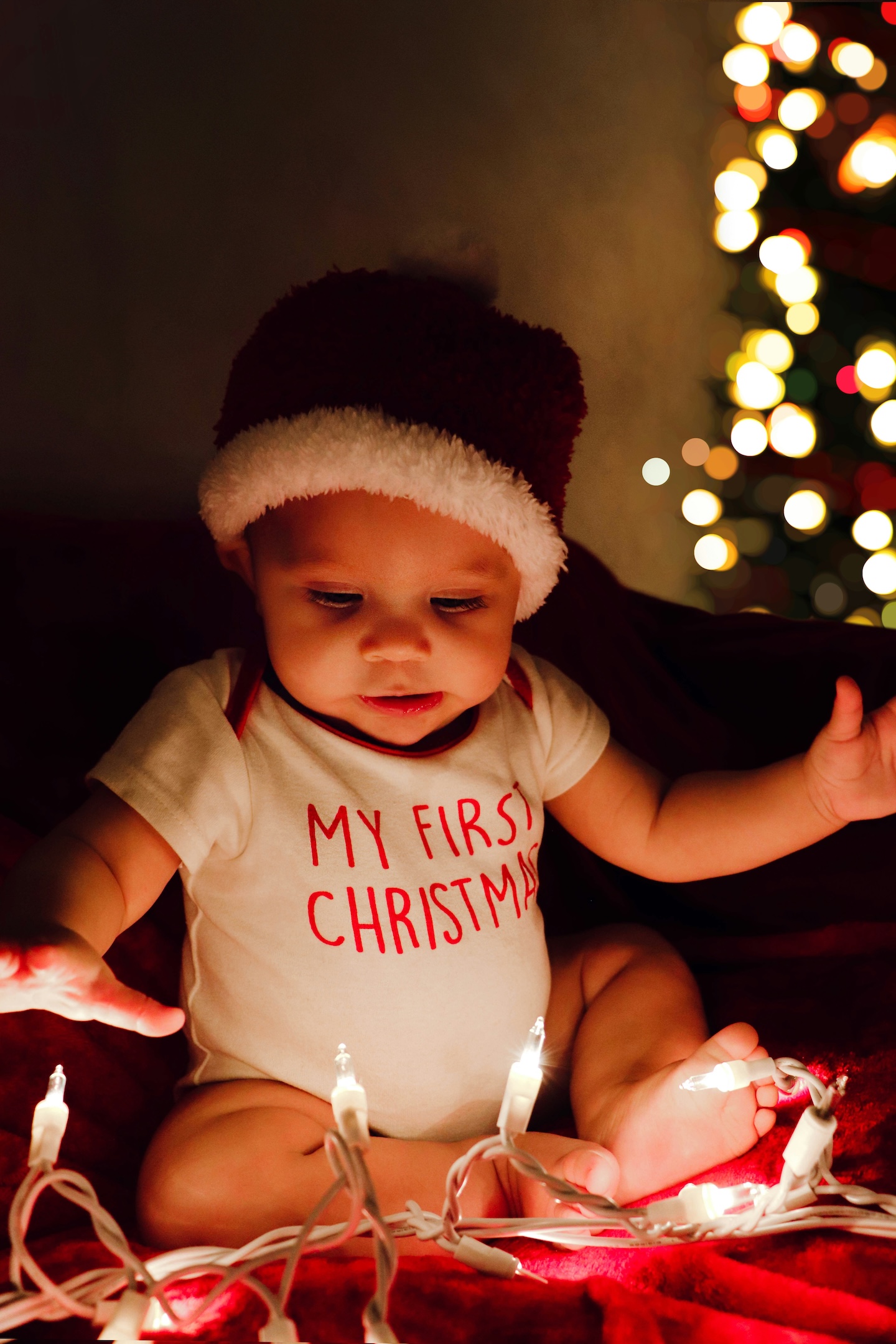
A newborn’s first Christmas will look very different from that of a six- or nine-month-old. Newborns are still adjusting to the world, while older infants may show curiosity through sounds, lights, and familiar faces.
It’s important to align expectations with your baby’s developmental stage. Christmas doesn’t need to be interactive to be meaningful.
Overstimulation is common during the holidays. Bright lights, new environments, and multiple visitors can overwhelm young babies quickly.
Keeping routines intact, especially naps and feeding schedules, helps maintain calm and allows everyone to enjoy the season without unnecessary stress.
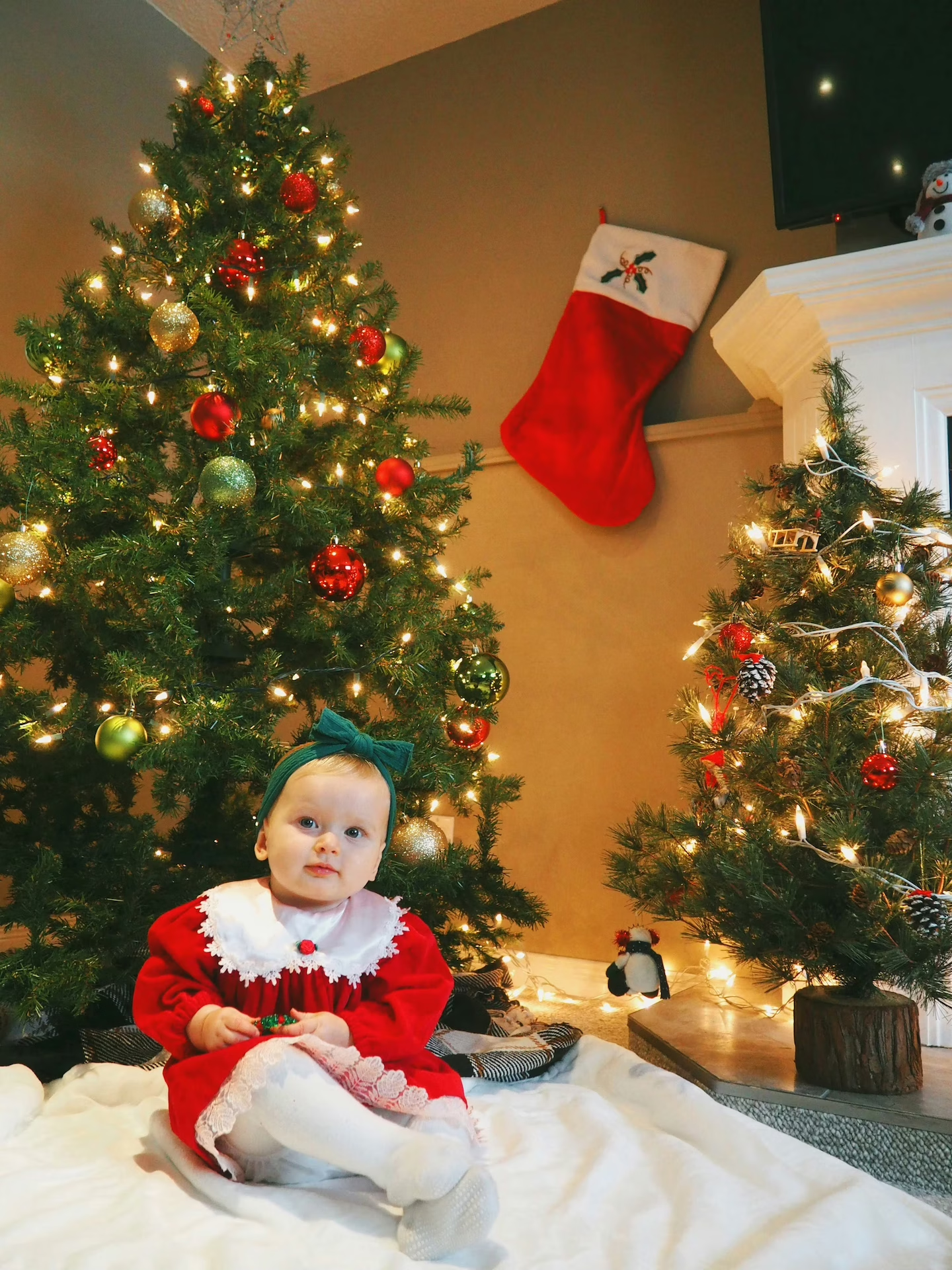
Soft lighting, gentle music, and familiar surroundings go a long way. Instead of focusing on decorations alone, think about how your space feels to your baby.
A calm environment encourages connection— holding your baby near the tree, quietly talking to them, or simply sitting together.
You don’t need to reinvent traditions. Instead, adapt them.
That might mean opening gifts slowly, reading one holiday book instead of many, or stepping away from gatherings early. Baby’s first Christmas is about inclusion, not endurance.
Holiday pressure often pushes families toward perfection. Letting go of comparison allows you to experience the season more fully— imperfect, peaceful, and present.
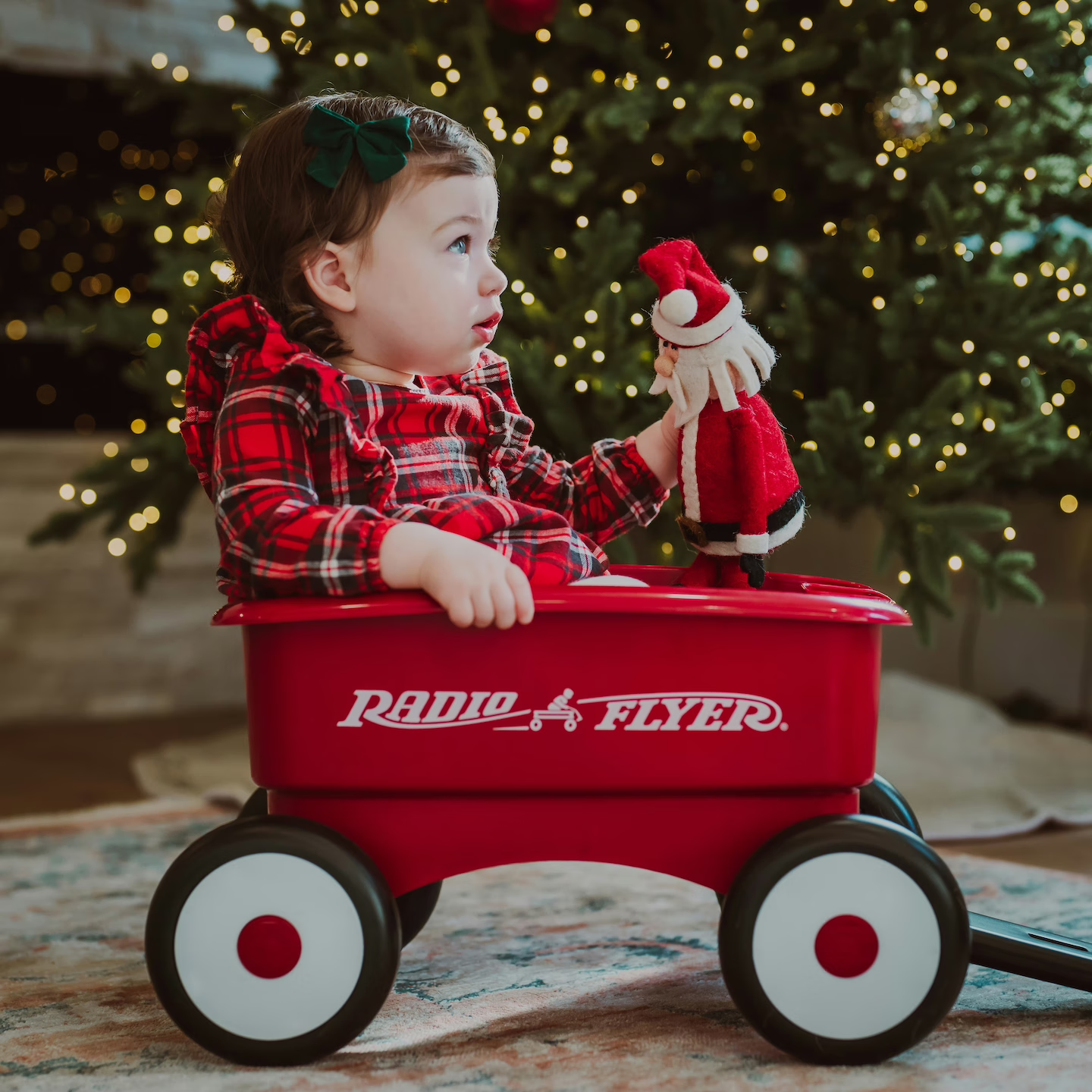
A personalized ornament or dated keepsake is a simple way to mark the year. Over time, these small traditions become powerful visual timelines of your child’s growth.
Books offer one of the most meaningful ways to connect during baby’s first Christmas. Reading aloud supports early language development while creating a ritual you can return to year after year.
Choosing a story that reflects your family— whether through photos, shared experiences, or familiar faces— makes the tradition even more personal.
Writing a short letter to your baby each Christmas captures the season through your eyes. Pairing it with a photo creates a beautiful annual snapshot of both growth and emotion.
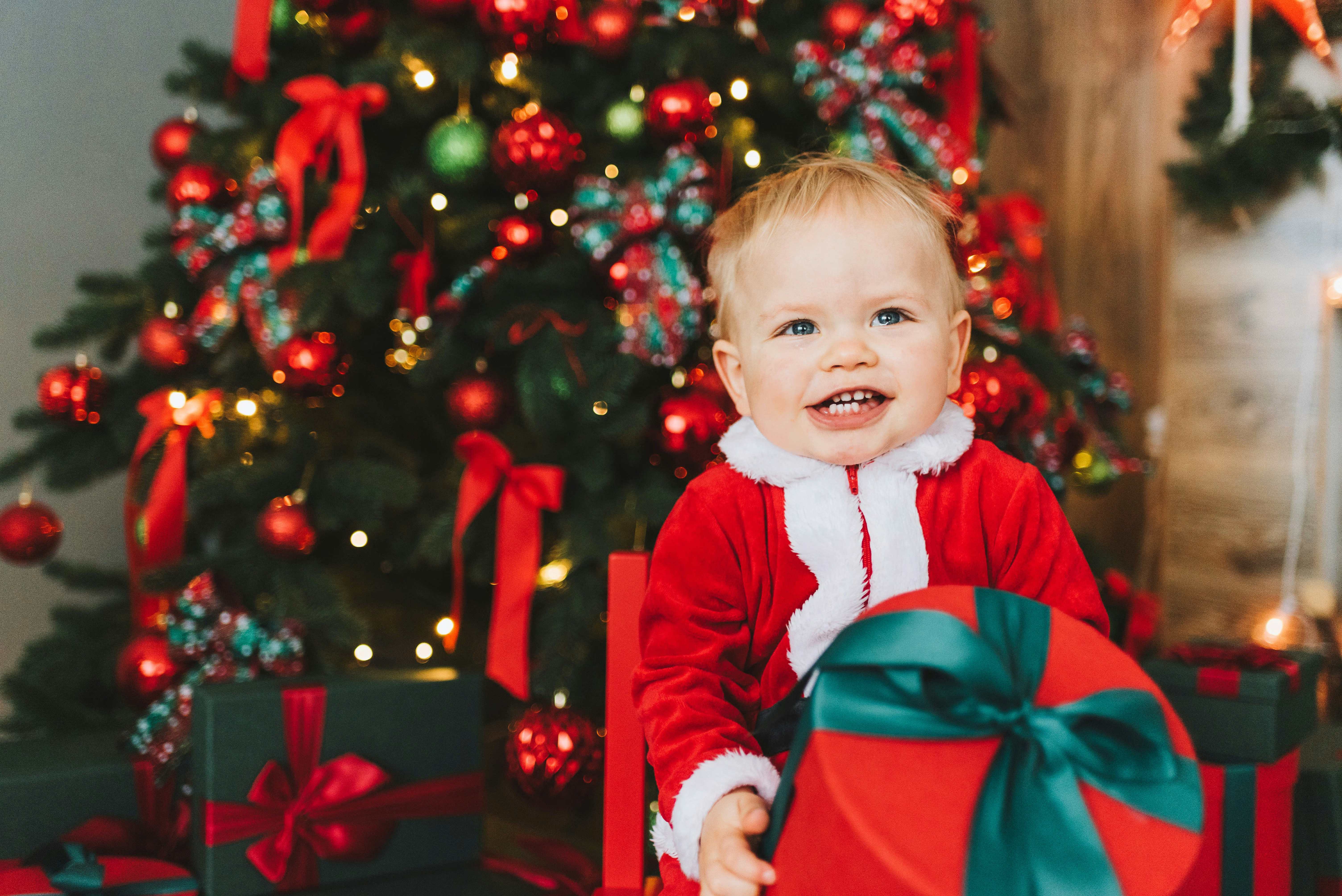
When considering baby’s first Christmas gift ideas, simplicity matters. Soft textures, books, and items that encourage bonding often hold more value than toys with flashing lights or sounds.
Practical gifts like sleepwear or feeding essentials are useful, but keepsakes offer emotional longevity. The most meaningful gifts often blend both— something helpful now that remains meaningful later.
Newborn Christmas gifts don’t need to be elaborate. A personalized photo book, a special blanket, or a book that preserves real memories can become something your child grows into.
Many families choose items that tell a story— not just for today, but for years to come.
Parents often appreciate gifts that acknowledge this tender season. Thoughtful items that celebrate their baby while also supporting bonding, rest, or reflection are especially valued.
Avoid small parts, strong scents, or overly complex toys. When in doubt, comfort and simplicity are always safe choices!
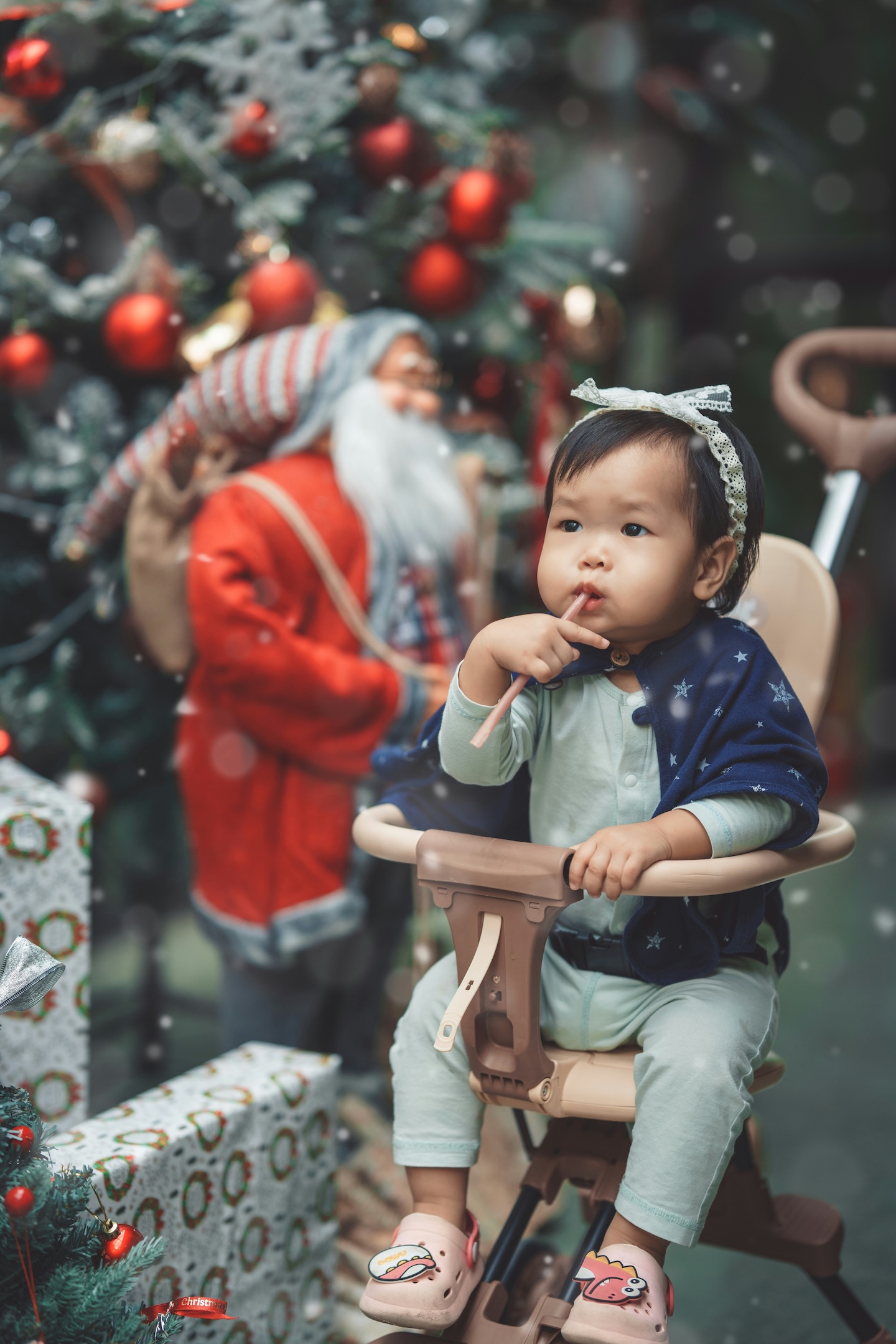
Keepsakes such as memory books, ornaments, or letters preserve moments that would otherwise fade.
Personalized gifts feel intentional. A Personalized Photo book that uses real family photos allows children to connect with familiar faces and experiences— even before they can fully understand them.
Interactive toys, fun themed photoshoots, shared routines, and memory-focused items encourage connection rather than consumption.
Skip items designed for older age ranges or toys that rely heavily on stimulation. Babies benefit most from calm, consistent experiences.
Less is more. Too many gifts can overwhelm both baby and parents, making the season feel rushed instead of meaningful.
Whether you choose professional photos or simple at-home snapshots, focus on comfort. Natural light, familiar spaces, and relaxed pacing often produce the most authentic images.
Turning photos into a tangible story— like a special Christmas book— allows families to revisit the season together as their child grows.
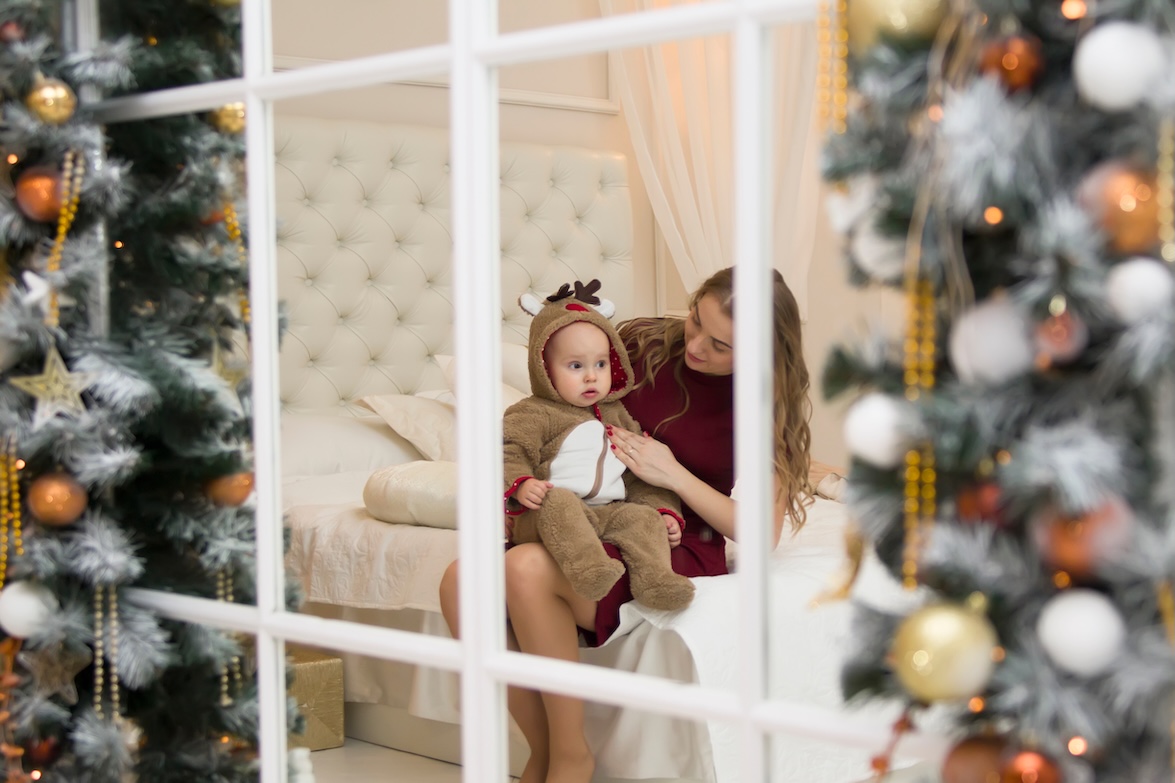
Soft fabrics and flexible fits matter more than style. A cozy sleeper or simple outfit often photographs beautifully without discomfort.
Neutral tones and minimal patterns help keep the focus on connection rather than coordination.
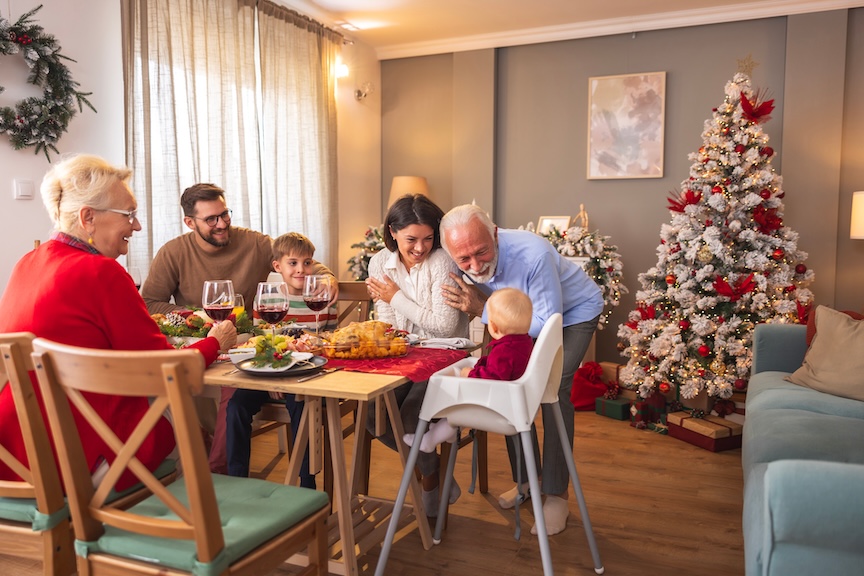
It’s okay to say no. Protecting your baby’s routine protects your peace.
Communicating plans early helps align expectations and keeps the season supportive rather than stressful.
Thoughtfulness outweighs cost. A handwritten letter or printed photo can hold more meaning than expensive gifts.
Simple traditions, shared routines, and intentional moments often cost nothing at all.
Secure trees, keep cords out of reach, and opt for shatter-proof ornaments.
Be mindful of candles, small decorations, and strong scents around newborns.
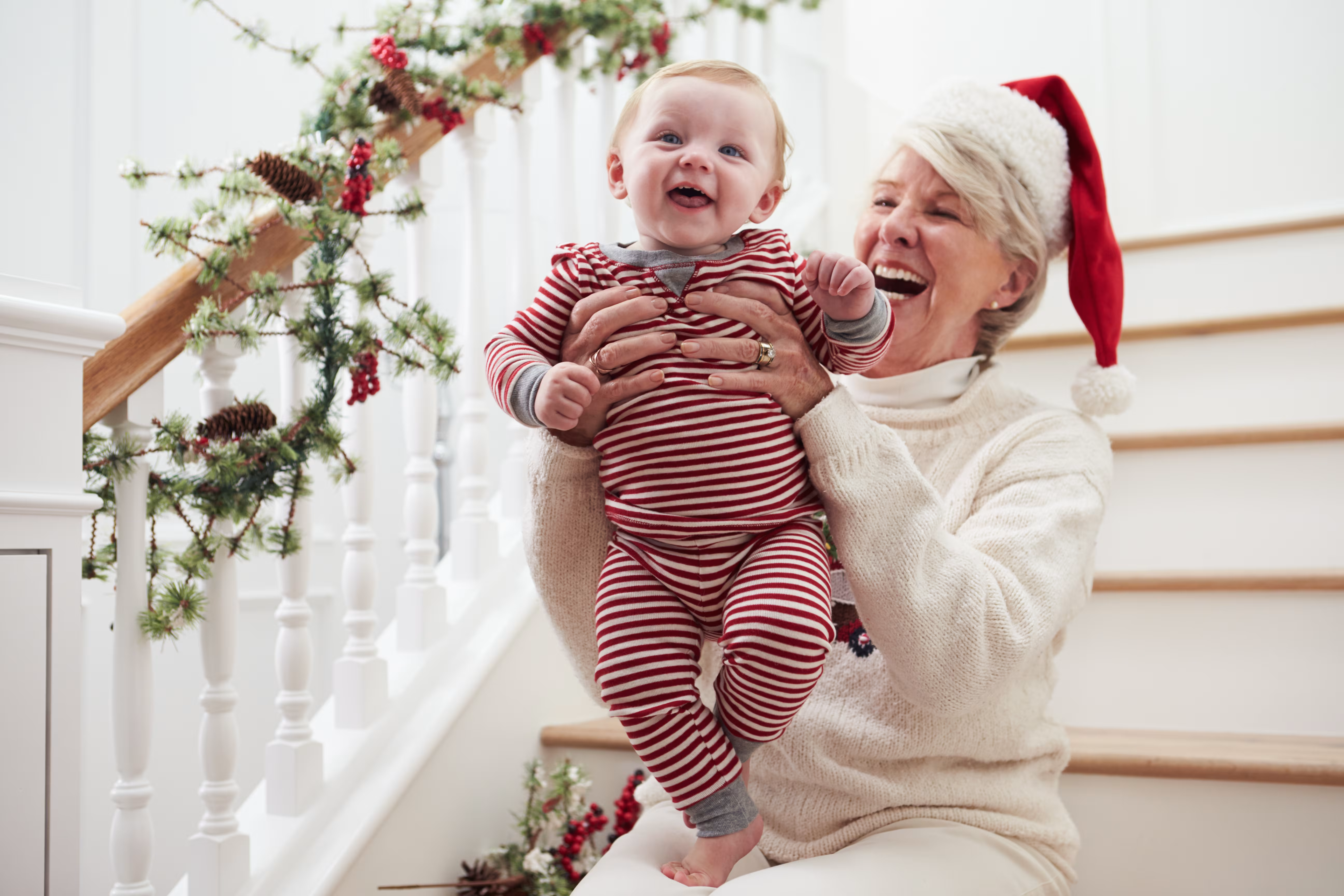
Grandparents often gravitate toward keepsakes that reflect their bond with their grandchild— especially items that preserve shared moments.
Reading together, long cuddles, playing outdoors, sharing photos, or contributing to a memory book builds connection that grows over time.
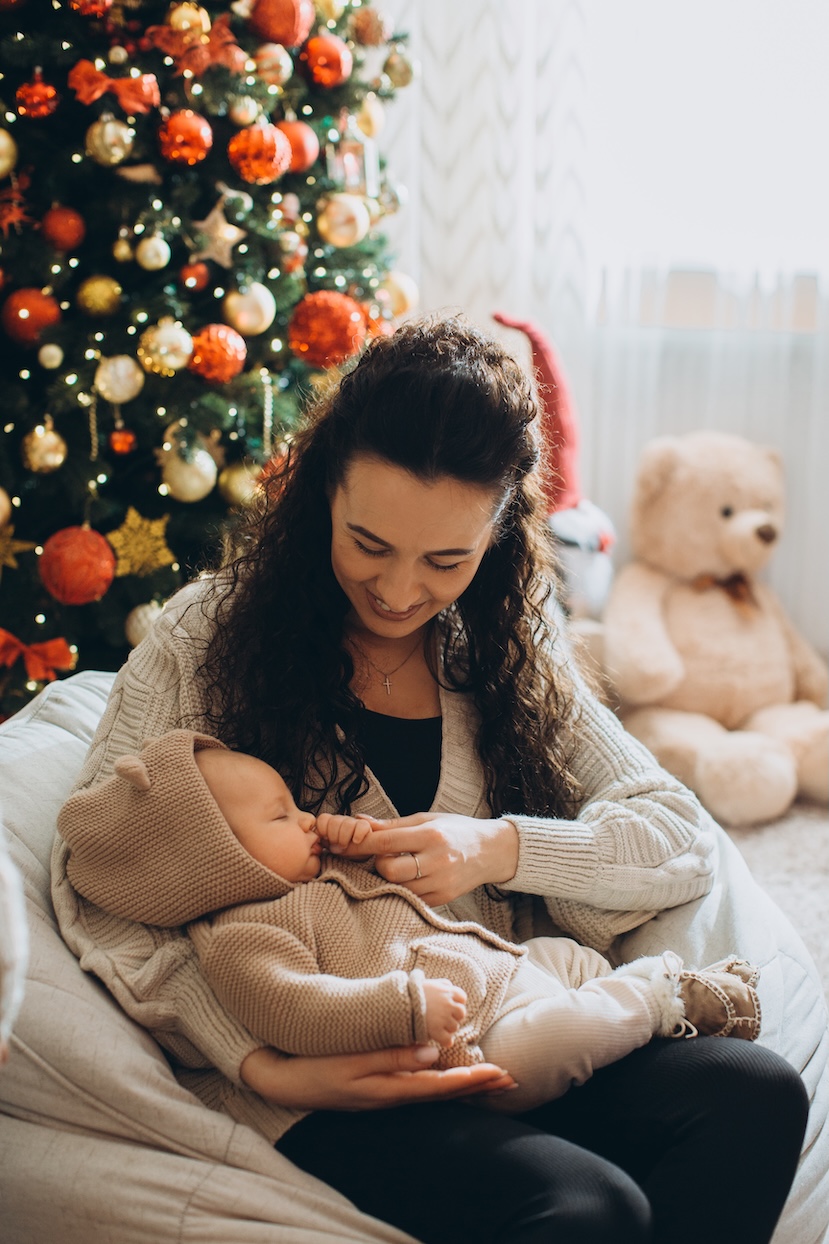
Every family’s Christmas looks different, and that’s exactly how it should be!
The traditions you start this year can evolve alongside your child, becoming more meaningful with each passing season.
A meaningful gift supports bonding and preserves memories, such as books, keepsakes, or comfort items.
Focus on safe, simple, and sentimental gifts that parents will appreciate now and children can grow into.
Babies don’t understand the holiday itself, but they experience love, comfort, and connection— which is what truly matters after all!
There’s no set number. A few thoughtful items are often more meaningful than many.
Yes! Keepsake gifts preserve moments that become treasured family memories over time.