Family vacations go by in a blur. One moment you’re packing snacks and sunscreen, and the next you’re back home scrolling through hundreds of photos on your phone. For young children, however, those moments don’t automatically become lasting memories.
If you’re wondering how to make a travel photo book that your child will truly treasure and not just flip through once, the key is simple: turn the trip into a story!
In this guide, we’ll walk through how to create a personalized travel photo book your kids will love, plus why the way you build it matters more than you think.
Travel exposes children to new places, foods, languages, and experiences. But without reinforcement, many of those details fade quickly, especially in early childhood.
When you create a travel memory photo book built around a narrative, you help your child:
A thoughtfully structured kids' custom travel photo book doesn’t just display pictures. It organizes experiences into a story children can actually follow and understand.
Children learn through repetition and visual cues. Printed books allow them to:
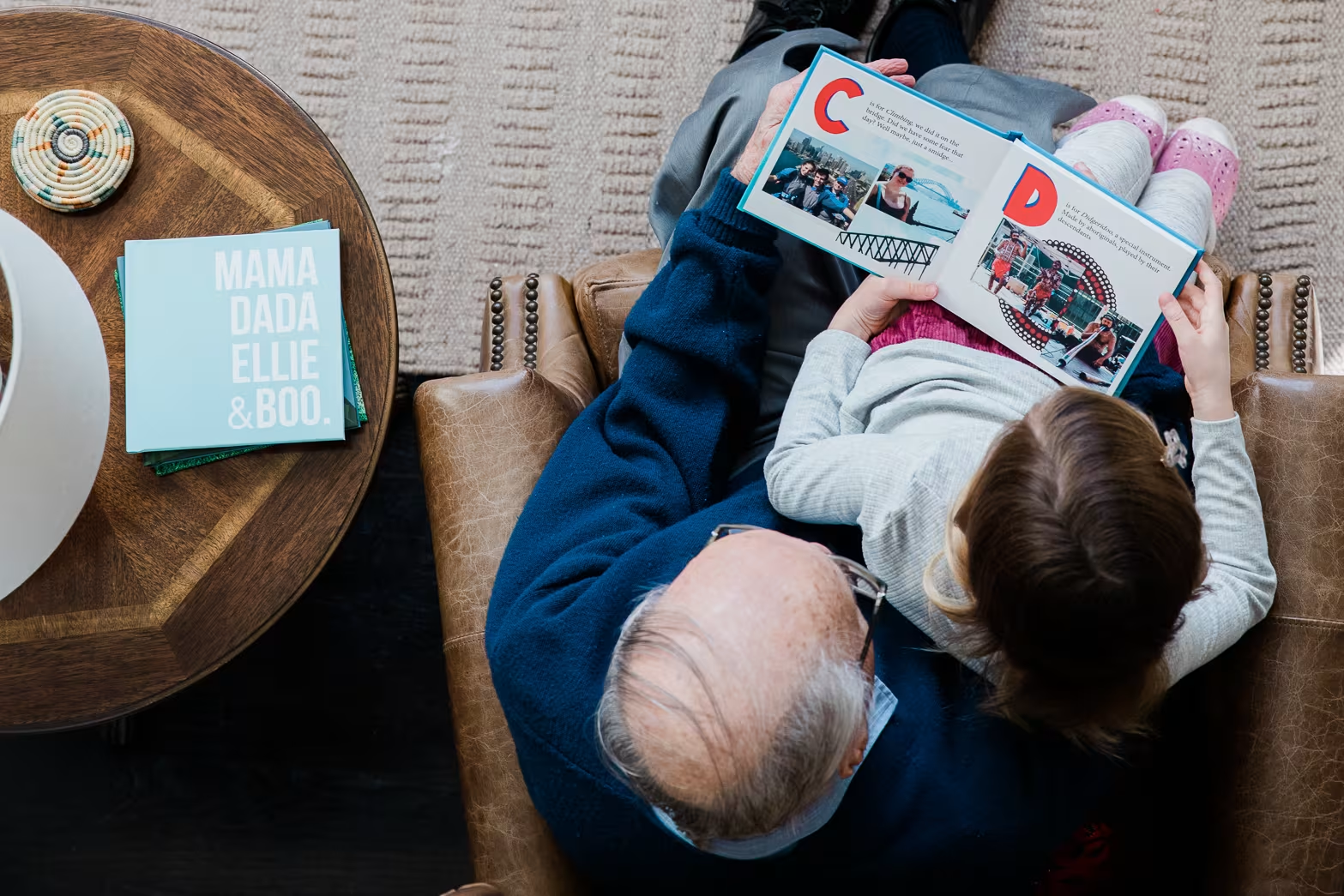
Unlike digital galleries that get buried in a camera roll, a printed travel photo book becomes part of your child’s reading routine; and when the book is built around their real-life experiences, engagement increases dramatically.
For children, revisiting shared experiences builds:
When kids see themselves and their loved ones enjoying experiences— seeing a lighthouse, tasting gelato, building sandcastles— it reinforces: “I was there. I remember how that tasted. I did that." That sense of continuity and ownership is powerful during the early years.
A travel photo book is a curated collection of images from a trip, arranged in a bound format. And not all photo books are created equally...
A traditional album:
A thoughtfully created custom travel photo book:
The difference is the structure and design.
A personalized travel photo book might include:
The most meaningful travel books go beyond decoration— they reflect your family’s unique experiences from the trip.
When trips are built into a beginning, middle, and end, children are better able to:
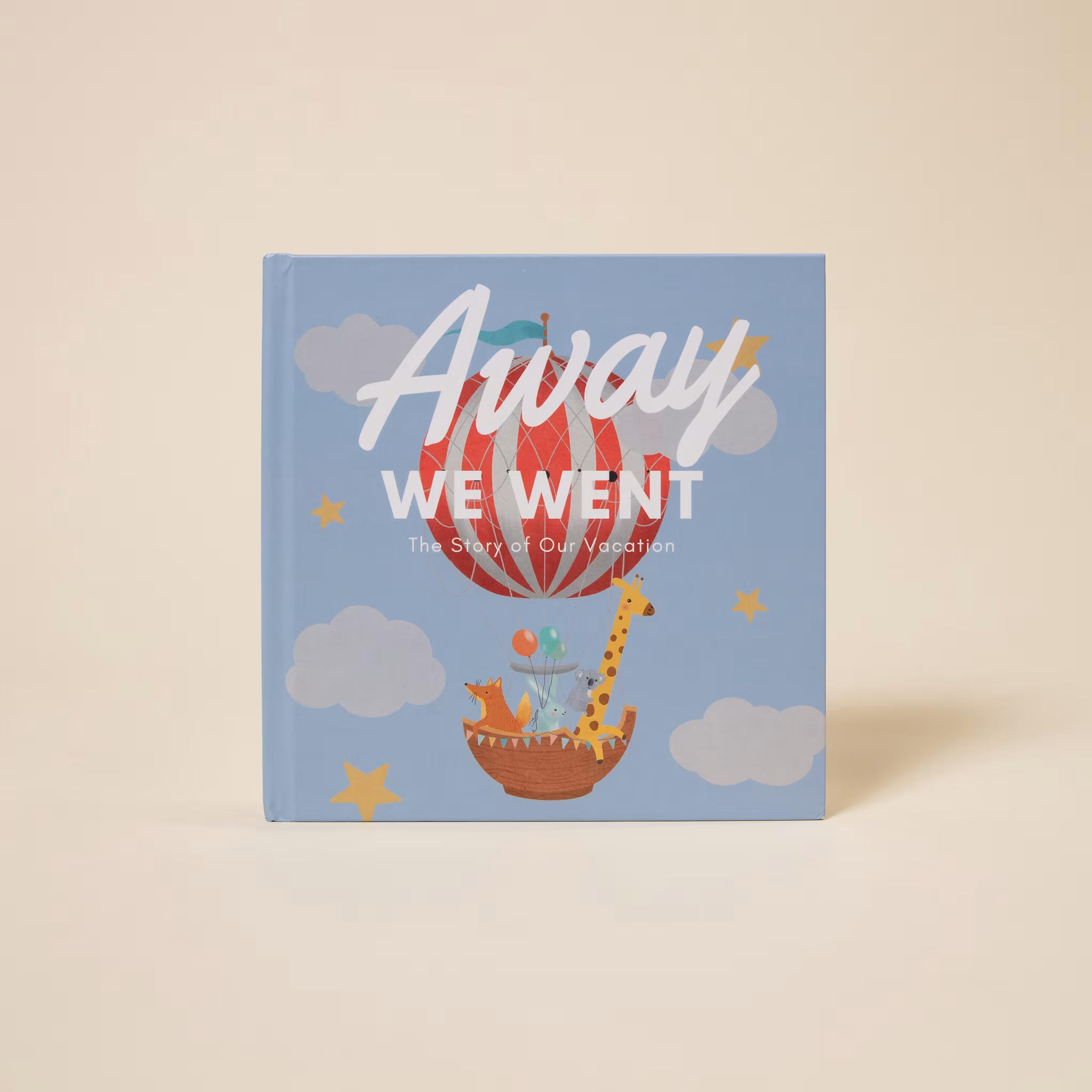
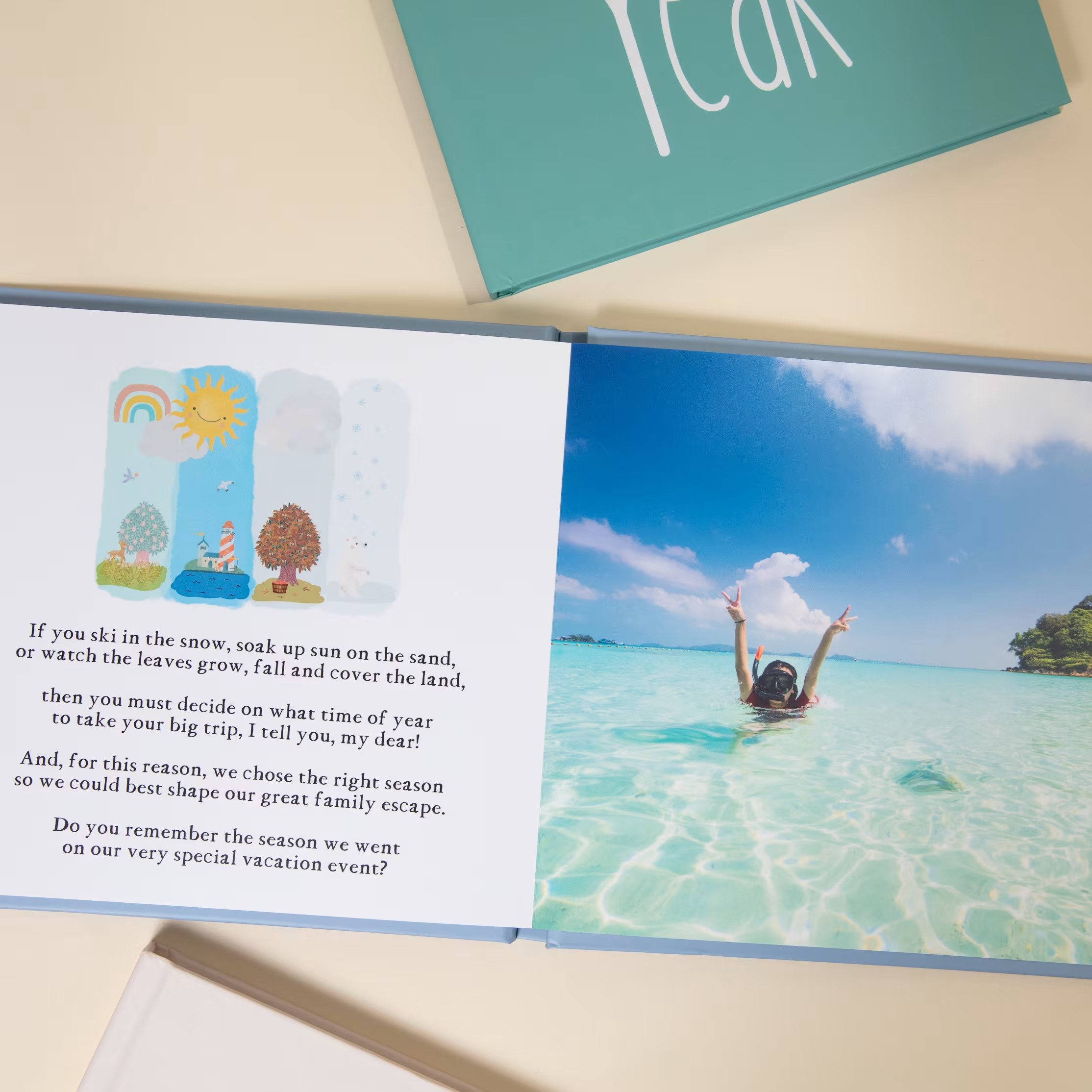
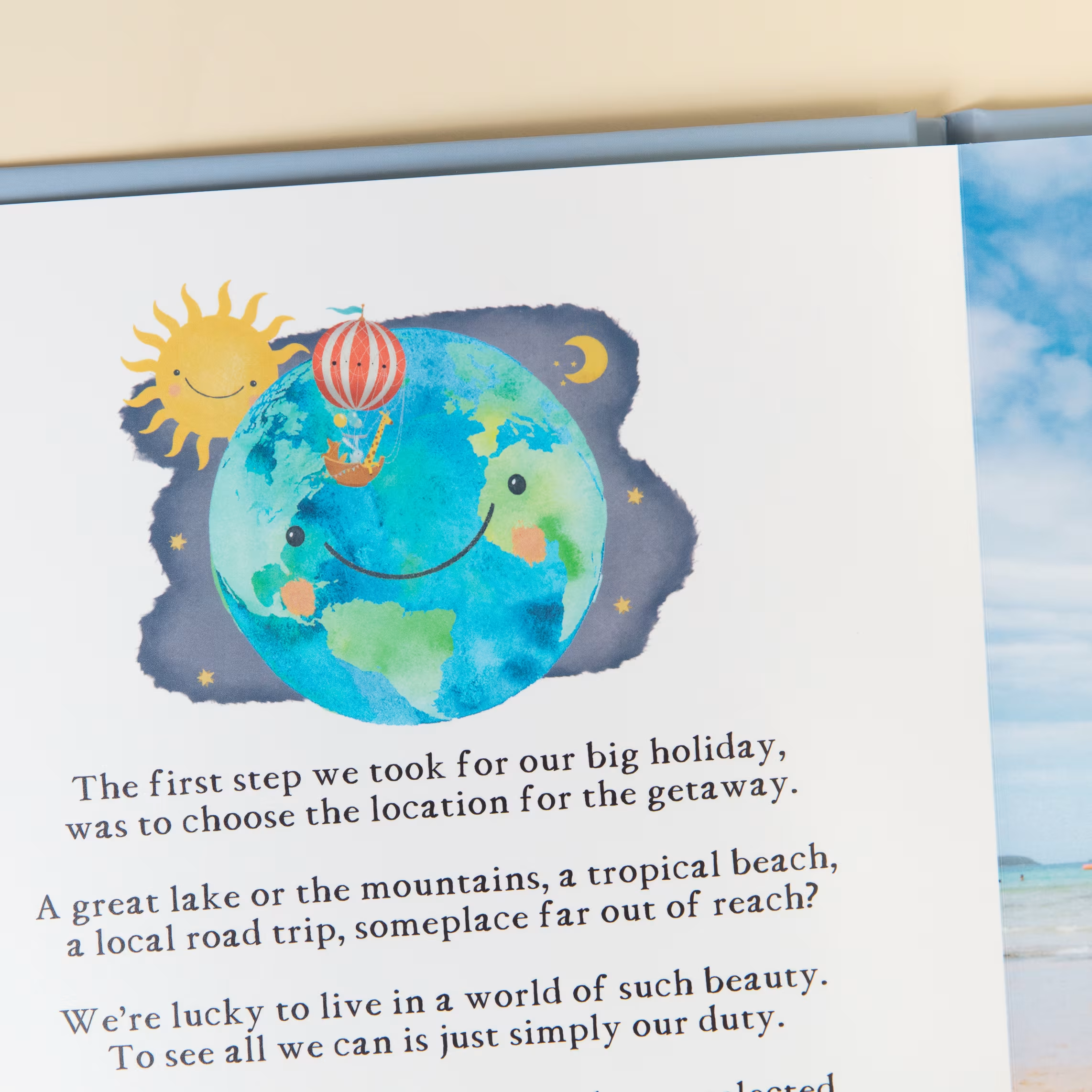
For example, books like Away We Went, a travel-inspired children’s book built around real family adventures use rhyming structure and guided prompts to help children actively remember what happened. When experiences are framed through narrative rather than simple photo grids, they become easier to understand and more fun to revisit!
This is especially powerful in the toddler and preschool years, when language and memory development are rapidly expanding.
Start by:
Focus on the experiences, not just perfect poses.
Before you start creating, ask yourself:
Honing in on a theme and building your travel photo book around it can make it more cohesive and engaging for children.
Options include:
If your goal is developmental benefit, consider formats that emphasize storytelling over simple image grids. A narrative-based format encourages comprehension and helps children connect moments together logically.
Children respond best to:
Avoid cluttered designs that overwhelm the page.
Here, context really matters. Instead of a generic: “Beach Day” Try something like, “You built the tallest sandcastle we’d ever seen, and it even survived the tide!"
Specificity strengthens your child's recall and can support their vocabulary development!
If you want, you can add:
Adding such details helps reinforce memory and comprehension— turning the book into a more interactive experience for your little one.
Make sure to check:
A clear, readable book ensures it will be enjoyed for years.
A simple map showing where you traveled helps children visualize distance and geography.
Dedicate a spread to:
These prompts encourage thoughtful reflection.
Young children are still learning sequencing. Staying true to the timeline of your trip reinforces the concept of "first, then, finally..." found in nearly all forms of storytelling. This strengthens early narrative skills.
Speech bubbles encourage interaction while reading. “What did you say when you saw the waterfall?” Books that already have interactive prompts boost engagement and literacy.
If you're going the DIY route, this method can turn your travel photo book into a living document— something your child can revisit and add to.

Hardcover:
Softcover:
For families with toddlers, durability often matters most.
Smaller books & board books:
Larger books:
Square formats often feel balanced and child-friendly. They are also the most versatile choice for displaying both landscape and portrait oriented photos.
Digital books are convenient, and printed books are tangible.
For developmental engagement (especially in early childhood), printed books typically offer deeper interaction and inspire repetition. They are also fun to proudly display on the nursery shelf or coffee table. Digital books (or ebooks), while a decent approach to screen time, can unfortunately encourage more attachment to digital devices and are more likely to get lost in the cloud-based clutter.
Content quality is what matters most.

Toddlers love to point to favorites! This inspires ownership and excitement.
Preschoolers can dictate captions. Older children can write them independently.
Scan drawings and include them as full pages or overlays. This strengthens pride and engagement.
Creating your custom travel photo book together reinforces:
The creation process itself becomes part of the memory.
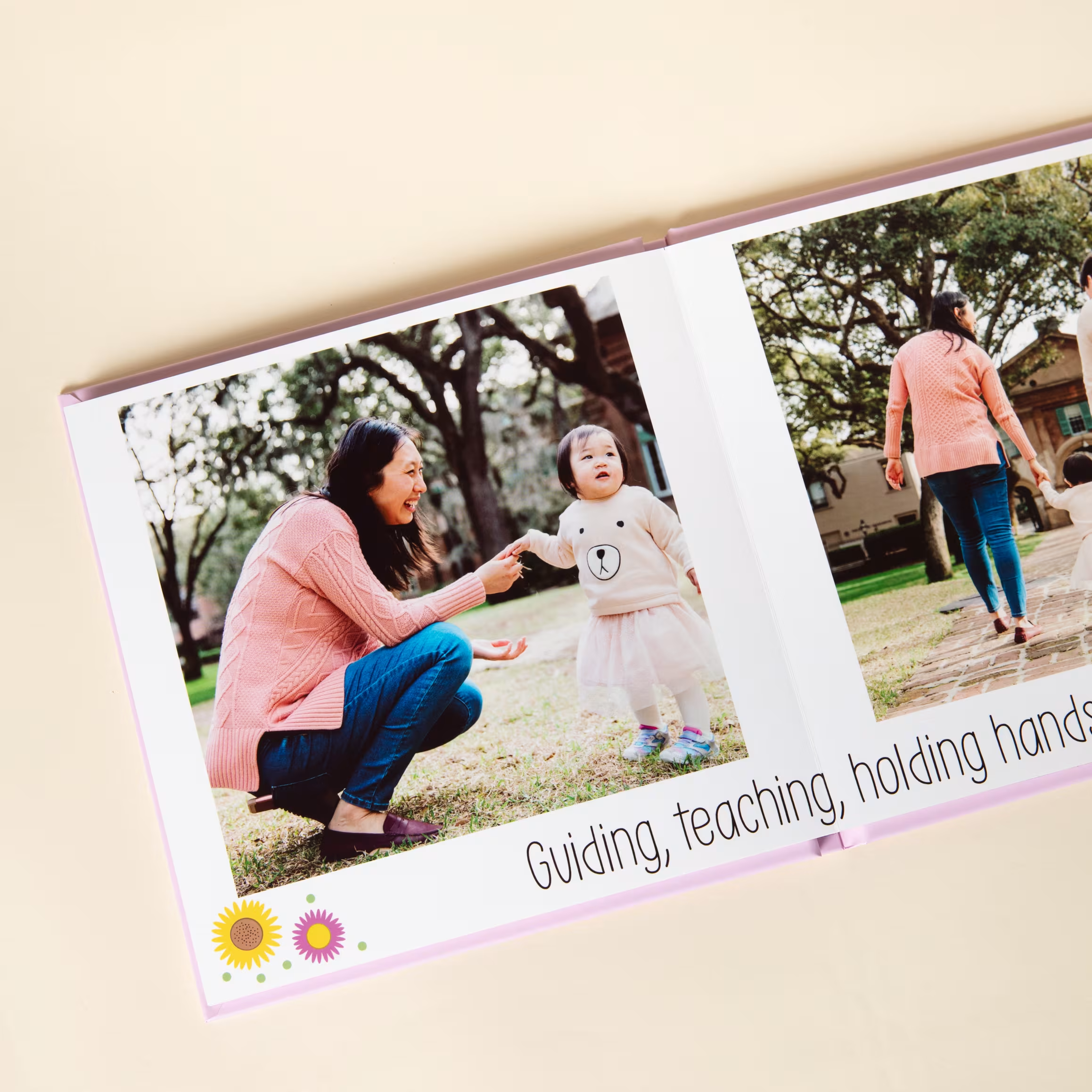
A well-designed travel memory photo book doesn’t need to be complicated to be beautiful. In fact, the most engaging books for young children are often the simplest ones. Thoughtful design helps your child focus on the story rather than getting distracted by clutter.
Children process visual information differently than adults. When a page feels busy, it can be hard to know where to look.
Aim for:
A balanced layout guides your child’s eyes naturally from image to caption and creates a smoother read-aloud experience.
Consistency creates comfort.
Choose:
Too many changes can feel chaotic. Consistency supports comprehension and calm.
Avoid filling every inch of space. Instead:
Children engage more deeply when they can focus on one moment at a time.
Featuring one large “hero photo” per spread creates impact and clarity. Supporting images can be smaller, but giving one moment prominence helps tell a clearer story.
Simplicity enhances readability, especially for young children.
Creating a custom travel photo book becomes much easier when your photos are organized from the beginning.
Group photos by:
This naturally reveals your storyline and reinforces sequencing skills.
Before designing, ensure images are safely stored:
Preserving your digital files protects the memories long term.
Many families create:
Keeping format and structure consistent each year builds a recognizable series your children can grow up with— a tangible record of their experiences and growth.
The sooner you create it, the fresher the details will be.
Creating travel photo books consistently turns them into something more than printed images. They become part of your family's story.
When photo books share a consistent format, children recognize them as a collection and return to them often, just like their favorite book series!
Clearly label each book by year or destination so they’re easy to revisit.
Reading past travel books before a new trip builds anticipation and reflection— reinforcing how far your family has come.
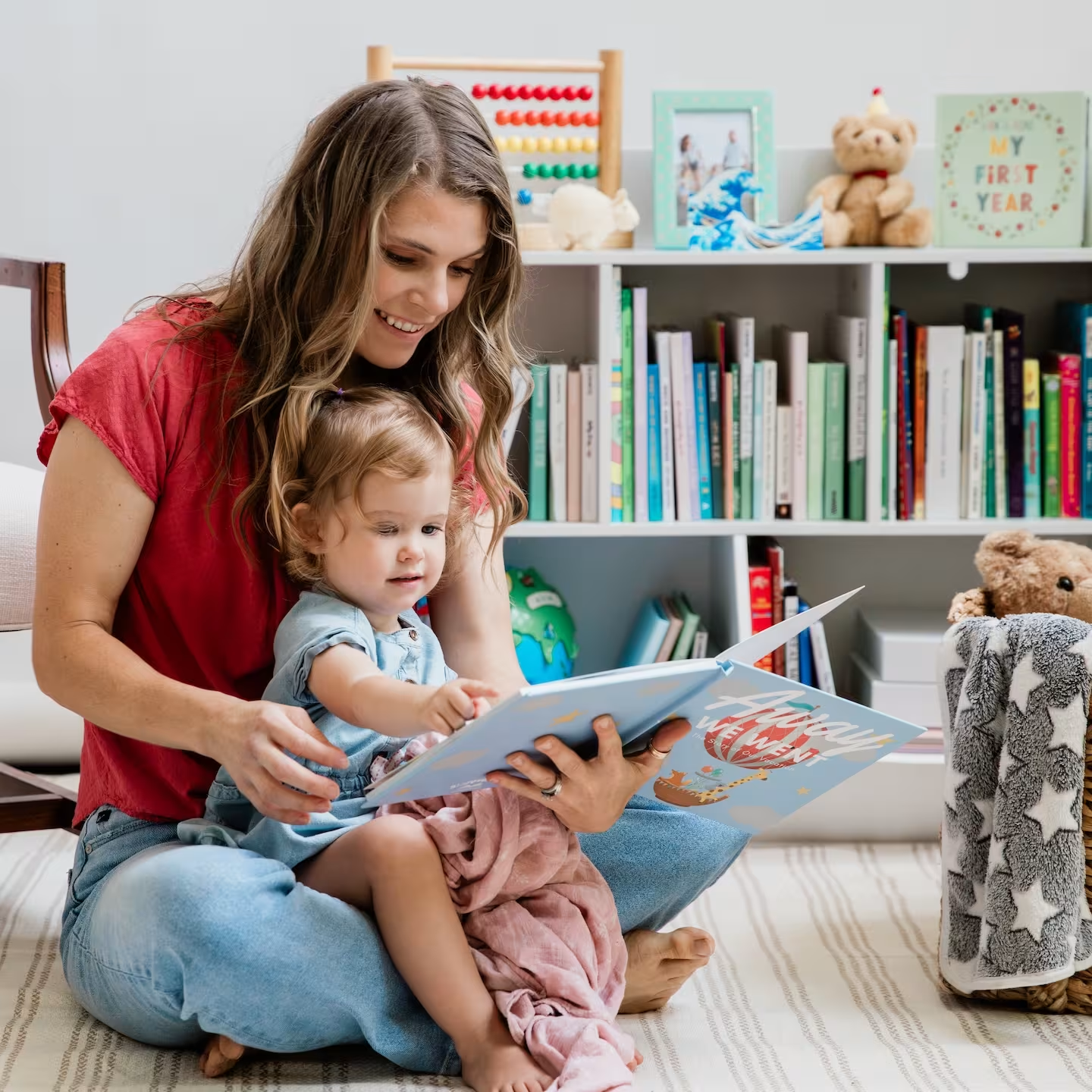
Children don’t just remember details from trips, they remember how those experiences felt. A custom travel photo book helps preserve both, beautifully.
When a personalized travel photo book is built around a narrative structure, it supports:
For toddlers and preschoolers, this kind of contextual storytelling strengthens early literacy foundations.
Shared storytelling reinforces:
A thoughtfully created travel memory photo book becomes something you return to again and again— not just once.
Your camera roll holds hundreds of beautiful moments, but your child doesn’t experience a camera roll. They experience stories.
When you learn how to make a travel photo book that organizes your trip into a meaningful narrative, you’re doing much more than simply preserving your photos. You are helping your child remember, understand, and grow through the experiences you’ve shared in a really meaningful way.
Pro Tip: Start while the memories are fresh!
The best way to organize photos for a travel memory photo book is to sort them by day, destination, or major activity first. This helps you naturally see the storyline of your trip. From there, narrow down to meaningful moments rather than including every similar shot. Choosing photos that represent experiences— not just posed images— will create a stronger narrative flow.
A well-crafted travel memory book should include:
If you’re learning how to make a travel photo book that truly resonates with children, remember that context matters just as much as the images. Adding narrative structure helps children understand and retain the experience.
There’s no perfect number, but most custom travel photo books work best with 40–80 thoughtfully selected photos. Instead of including every image, choose one strong “hero” photo per moment and avoid near-duplicates. This keeps the book visually calm and easier for young children to engage with.
Square or slightly larger formats are often ideal for families. They allow space for larger photos and readable captions, which is especially helpful when reading together with toddlers or preschoolers. Durability also matters— hardcover books tend to hold up better with repeated use.
If your photos are already organized, creating a travel photo book can take a few focused sessions. The key is starting soon after the trip, while details are fresh. Waiting too long can make it harder to remember specific moments or meaningful details you’ll want to include.